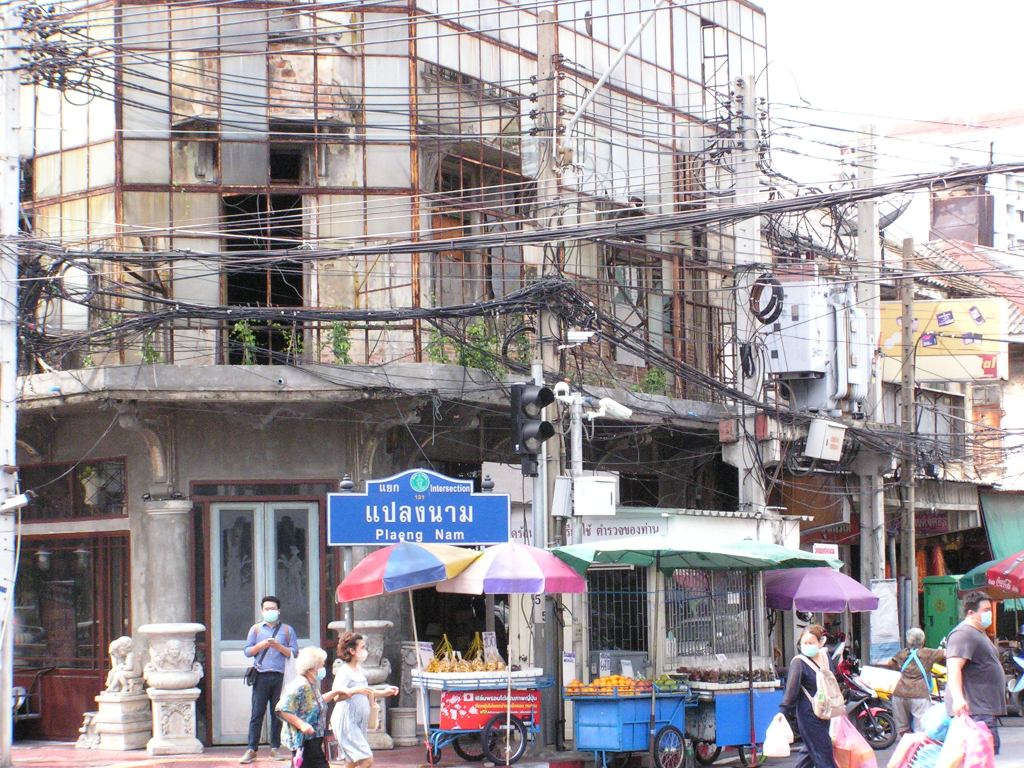
Buenos Aires: Herbal Infusions

Shot near the San Telmo neighborhood, Buenos Aires

Gaining its independence from the Spanish in 1816, much like the US, Argentina has now had a few hundred years to develop its own identity. And also like the cities of the US, Buenos Aires is a place of immigrants, many of whom can trace their roots back to mainly Spain and Italy (estimates range some 70-90% of full or partial European origin). And while this European hegemony is undoubtedly ever-present within many facets of life here, there are also a variety of other influences that have worked to shape the country into its current form.

In our mission to find some unique attributes that separate Buenos Aires from its European counterparts, one of the first notable differing features witnessed in the city was the widespread consumption of yerba mate tea; a practice taken up from the indigenous Guaraní people of South America, Argentinians still overwhelmingly use the plant during their day-to-day lives.

Walking the streets of Buenos Aires, I noticed people carrying around a “mate,” which is the name for the special container in which yerba mate is consumed, and a thermos of steaming hot water, used as a portable vessel to pour the water directly on the dried and ground leaves of the plant, brewing the yerba mate tea. The final product is then consumed through a distinct filtered metal straw, known in Argentina as a “bombilla.”

With its unique earthy and almost primitive herbal taste combined with the method used to consume it, it does feel like some sort of ancient practice. Yerba mate does contain a notable level of caffeine, although less than that of coffee. It is also said to have less of the “crash” effect associated with coffee and is argued to provide a variety of other health benefits.

The mate container itself has quite an interesting look, resembling something primitive or indigenous, and it definitely caught my eye as I was perusing through the streets. It is shaped like a small oval gourd and has a small metal straw (bombilla) and chopped green yerba mate herbs protruding out of it. This can be better depicted below.
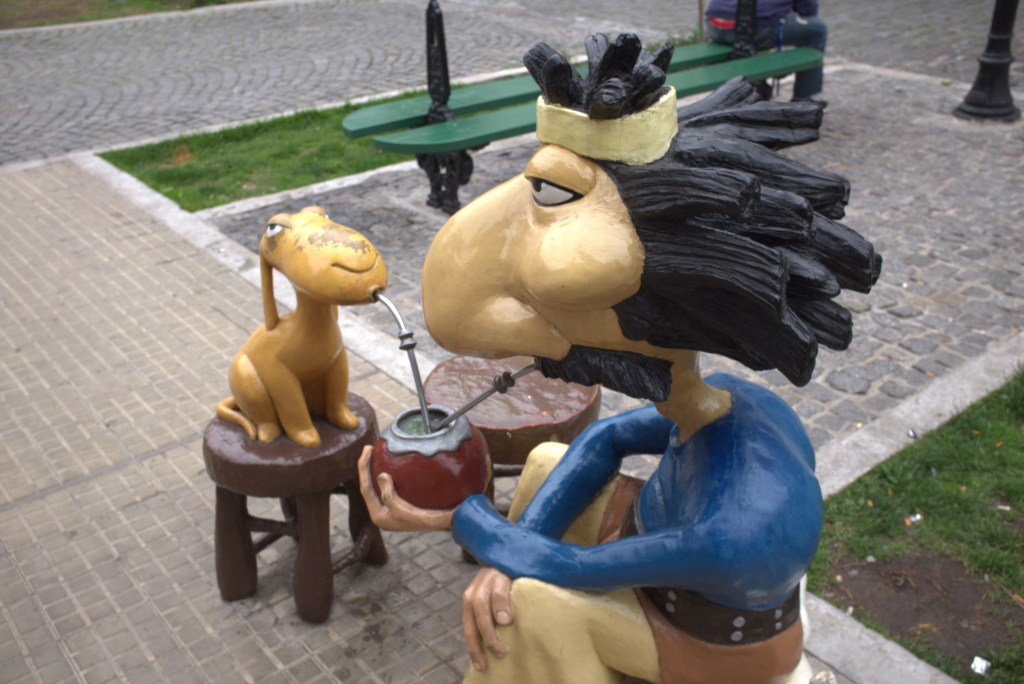
Street sculpture depicting two cartoon characters consuming yerba mate

While the consumption of yerba mate is an obvious societal difference between Argentina and Europe, it may not seem to hold a great deal of significance. However, I would argue there are valuable insights into this simple practice that can tell a deeper story about the Argentinian people.

While people brew and drink yerba mate on the go, it also plays the role of being a unique social practice here. Argentinians make time to get together with friends and family, whether it be inside or outside their homes, to collectively brew and drink yerba mate, often passing around the same gourd around a circle of people. There is also a certain ritual and cadence during group consumption, where certain rules and norms have been established and are inherently known.

Another interesting attribute to note is that because the yerba mate ritual was so widespread from the early days of Argentinean colonization, it served as an equalizer between people belonging to different social classes, serving as a connector between those of differing backgrounds.

This is not to say Argentinian colonialization was without its horrors and perils, far from it. However, it is worth noting that the proliferation of the herb has persisted through many years and made its way into the general culture of a deeply rooted European population. A tribute to its ever-important and impactful indigenous influences that have molded it into the unique society it is today.
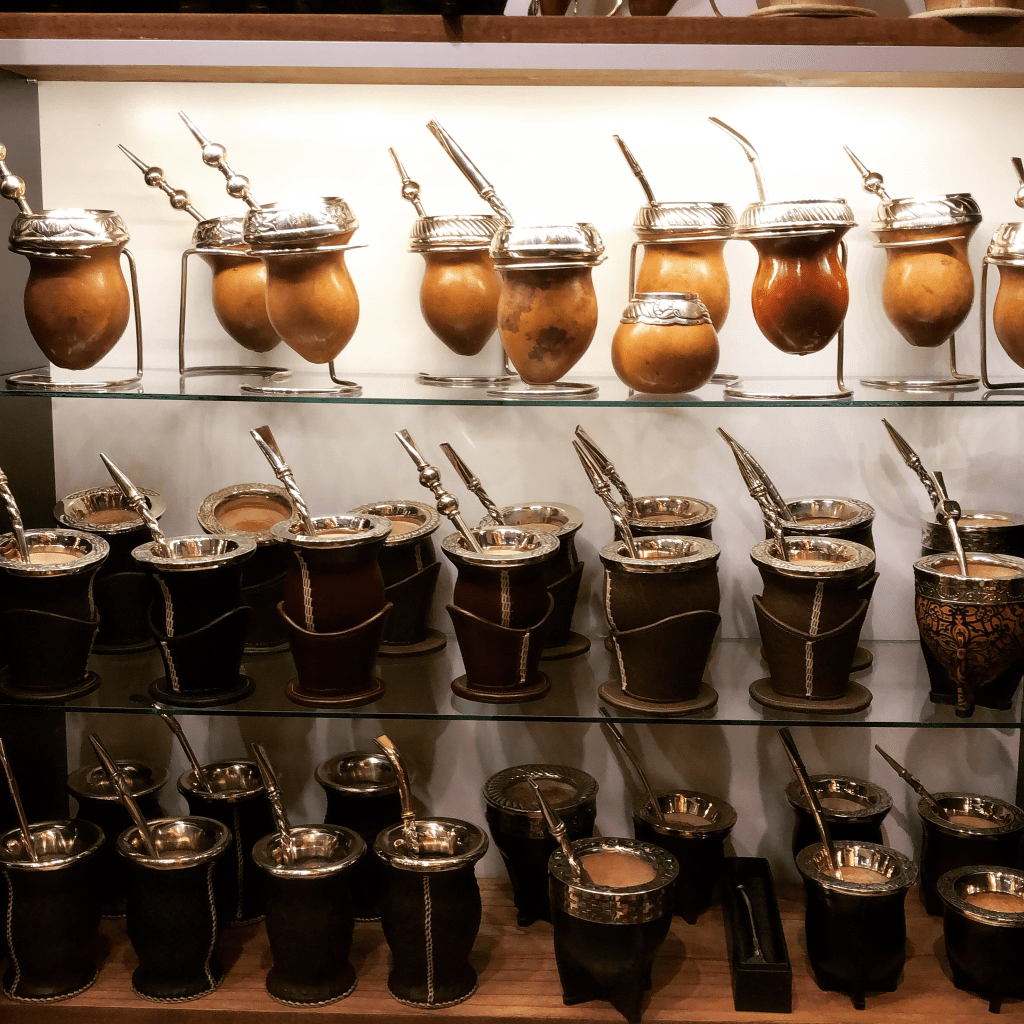
Mates and their bombillas on display in a Buenos Aires mate store

Buenos Aires: The Western Europe of the South

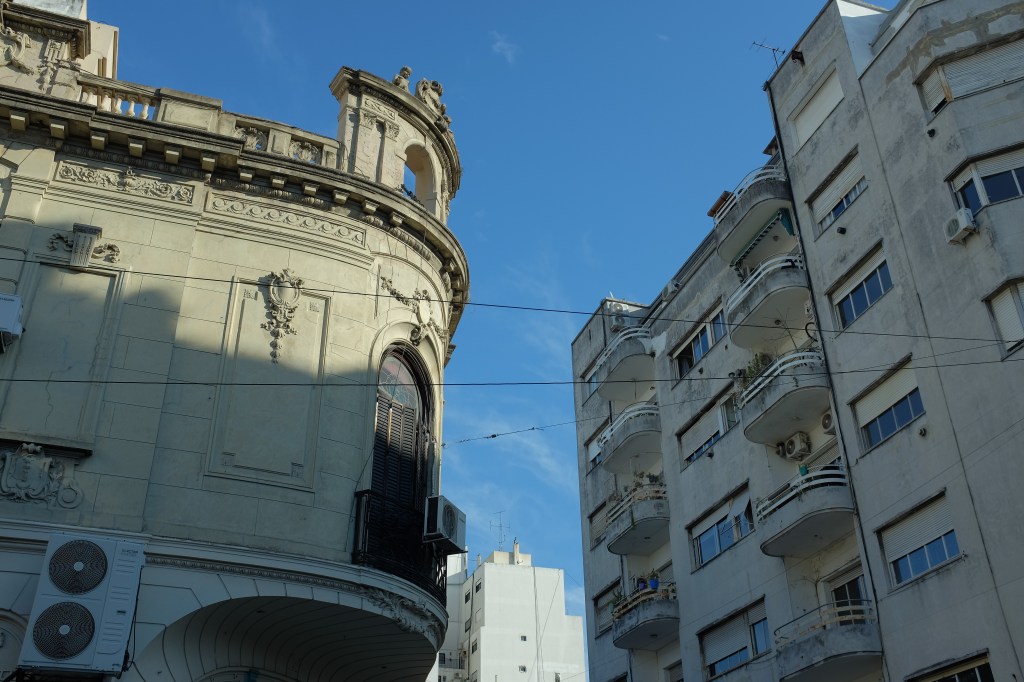
Shot of the historic “San Telmo” neighborhood

Buenos Aires is a city that has recently captivated my attention. A city with deep European roots, but located far down in the belly of South America in the Southern Hemisphere. A juxtaposition of sorts that is worthy of exploring.

The city is known as the “Paris of the South,” but having been to Paris, I would argue (at least with my first impressions) that a more accurate comparison could be made. As Western European-y as Paris? Yes. But I feel that a comparison to a major Spanish city would be much more suitable.

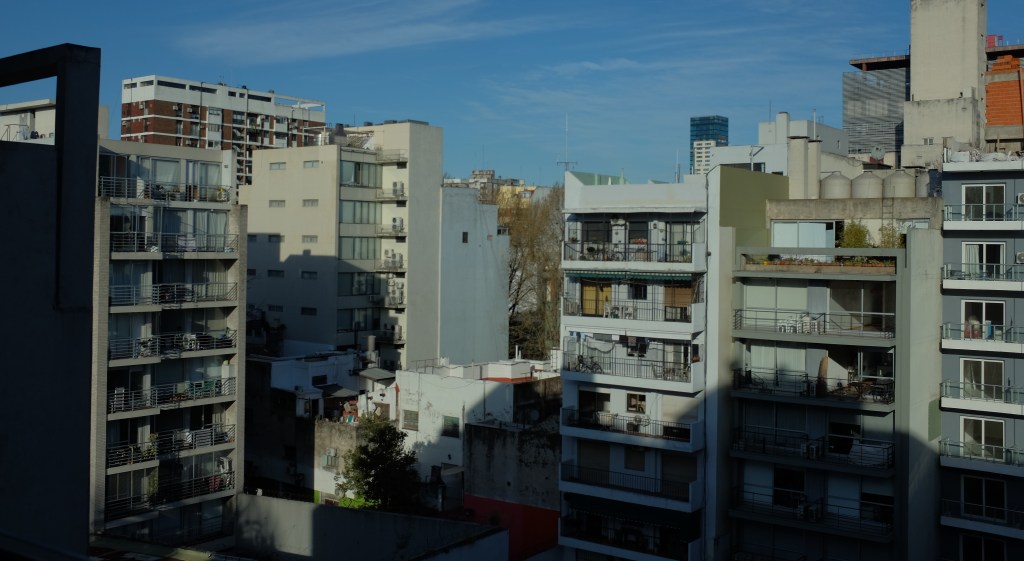
View from my terrace

Preemptively consuming many photos and videos of its streets, I found myself dazzled by the uncanny similarities that exist between Buenos Aires and Spain, particularly Valencia, where I had the pleasure of spending a good deal of time.

Of course, the similarities to France and Italy cannot be discounted either, with the adoration of pizza, cheese, and wine being some of the obvious indicators.

And when I arrived in Buenos Aires, it took a short time to realize that these outward similarities were far more numerous than I had anticipated.

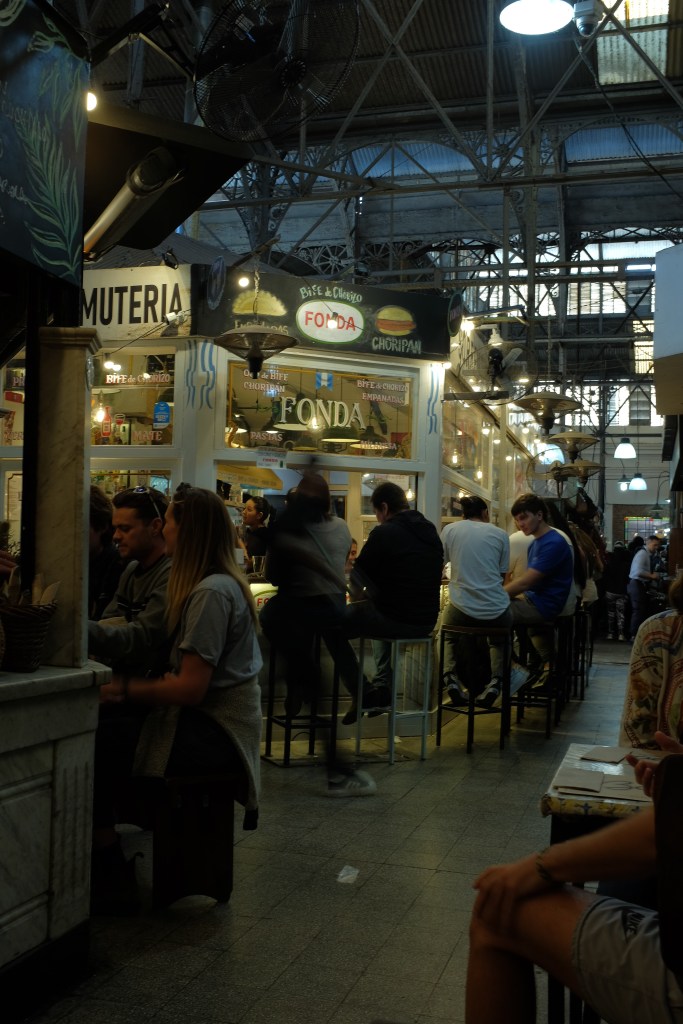
The bustling “Mercado de San Telmo.” Much like one you would find in Madrid.

To the enchanting tree-lined streets, the old apartment flats with their chipped and textured stucco walls, the small cubed designs of the sidewalk tiles, the smoke-filled bar terraces, the elegant fashion style of its residents, the disproportionate level of small-dog ownership, the espresso machine at every restaurant and bar, the grocery store chains, the fanatical obsession with soccer (fútbol), the cadence and rhythm in which its generally relaxed society operates, and of course the language – it feels like I am back in Spain, it’s only the distinctness of the Argentine accent that is throwing me off.

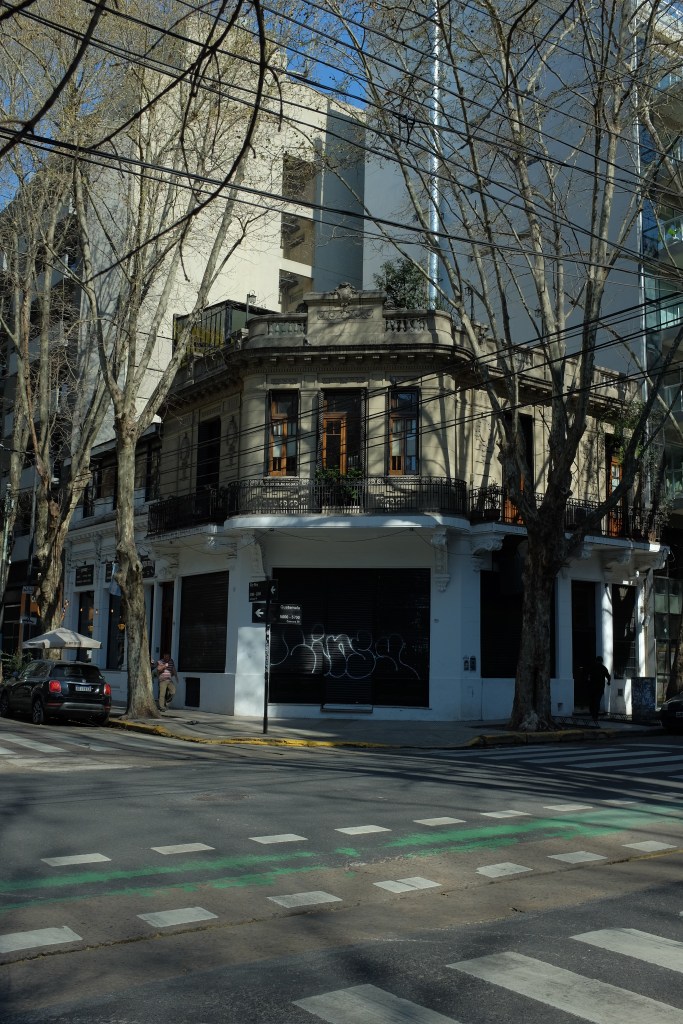
Morning in the Palermo Neighborhood

So, what questions does this lead to? On the surface level, it is blatant that these cultures are vastly intertwined and molded into a Western European hodgepodge. And while that in itself is interesting, you only need to take a quick dive into a history book (which would explain things much more eloquently and efficiently than I could) to understand why.

With this in mind, I find my curiosity commanding us to take on a different task – to venture deeper and discover where the limitations of this relationship lie.

In what distinct ways is Buenos Aires, and Argentina as a whole, different from its Western European cousins? What features separate it and work to give it its own identity, and what can those factors be attributed to? How is the country changing and where do the Porteños (nickname for someone from Buenos Aires) feel the future is headed?

With questions like these and general themes in mind to frame the mission, we will spend the next few days attempting to uncover and gain insight into the uniqueness of this perplexing but charming South American metropolis.

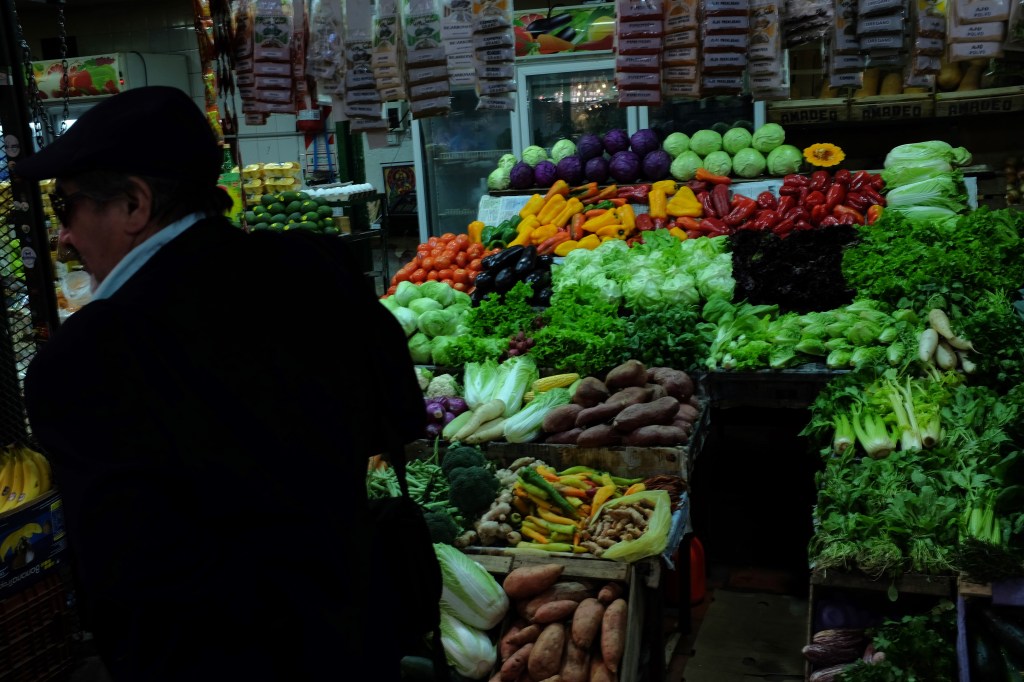
Man buying vegetables at the Mercado de San Telmo

The Anticipation of Travel

“If our lives are dominated by a search for happiness, then perhaps few activities reveal as much about the dynamics of this quest – in all its ardour and paradoxes – than our travels” – Alain de Botton

~34,000 feet up

The anticipation of traveling somewhere new is like a drug. What will it look like? Feel like? Smell like? Sound like? What new and novel experiences are there to uncover and explore? Before a departure, thoughts like these are constantly and uncontrollably swirling around my head.

No matter how much I age, this childlike sense of anticipatory wonder stays within me.

Before a trip, I tend to spend a considerable amount of time watching videos related to the history of the city, and of the contemporary culture as well. I also enjoy peering into Google Maps to get a feel for the location’s layout and its appearance on the street level.

These anticipatory activities work to strengthen my excitement and curiosity related to the place of destination. I begin to daydream about what it must be like to be there on the streets, interacting with the people, sampling the cuisine, and attempting to gain a deeper understanding of the cultural norms.

This does not mean you should be so rosy-eyed about a particular place that you start to develop unrealistic expectations; every place has its pros and cons. But have some fun with it, dive into the place you are about to visit – get emotionally invested in your destination. Pretend you are a scholar on a mission to uncover the mysterious veil of an unknown location. To find its pulse – what makes it tick, and to then interpret the findings through your unique lens.

The anticipation of travel is all part of the journey.

Works Citied:

Botton, Alain. D (2002), The Art of Travel, Random House, Inc.

Day 22: Tokyo — Engineering Extreme Efficiency

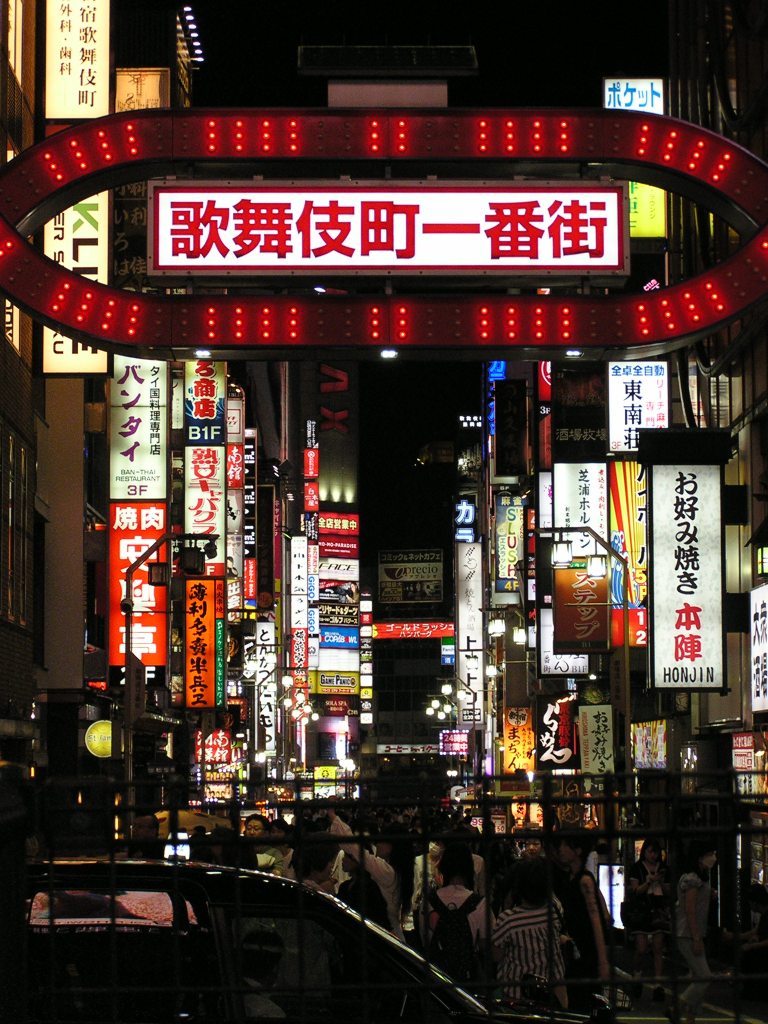
Shinjuku at Night, 2023

Upon landing in Tokyo, it’s obvious this place is in a league of its own. Efficient, hyper-modern, shiny, clean, and the list goes on. It is a world-class city by all conventional measures. From an efficiency and functional standpoint, I would make the argument that Tokyo itself is the pinnacle of what humanity has achieved in urban planning and development.

The metro system is vast, quick, and timely. The seemingly endless labyrinths of its network go far underground, and the stations themselves are almost like mini-cities. In addition to its 35 train platforms, Shinjuku station boasts dozens upon dozens (maybe even one hundred plus) of retail stores and restaurants. You could spend your whole day at just the station.

The metro is an overall pleasure to ride, and the engineers behind the marvel of a system seemed to have thought of everything. One can notice that very last aspect of the design and operation was made to most efficiently move people from point “a” to point “b.”

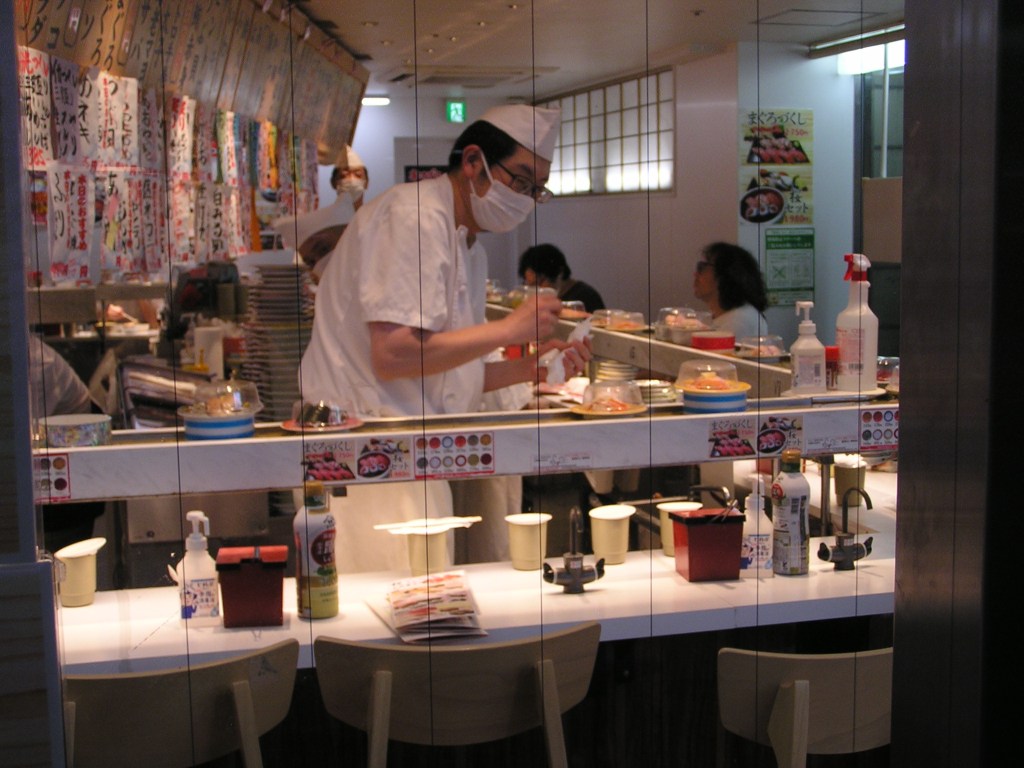
Keeping on the topic of impressive Japanese efficiency, another thing I loved about Tokyo were the conveyor belt sushi restaurants. They are quite the experience for us westerners.

Window looking into a conveyor belt sushi restaurant, Tokyo 2023

No reservations, no check-in, you don’t even have to utter a word; if there is a seat available, you just have to sit. When you’ve finally reached the counter, you’ll see a wide range of items tantalizingly floating across your view, all there is left to do now is grab a plate (or many, many plates). The only time you have to talk to a staff person is when you are craving a beer, in which case it will be promptly brought to you in an ice cold glass and served on a beer plate, of course. They will need that to tally onto your total bill.

When you finally muster the ability to cut yourself off from the unregulated feast, you signal to the wait staff that you’re throwing in the towel. They then come over and count all of your plates, which are color coated to identify the price of that particular item. The total is then counted up and you pay at the register. I think the most I ever paid at one of these establishments (beer included, and pulling plates off the belt with little to no reserve) was around $20-$25! Oh yeah, and no tipping required, as is par for course in Asia.

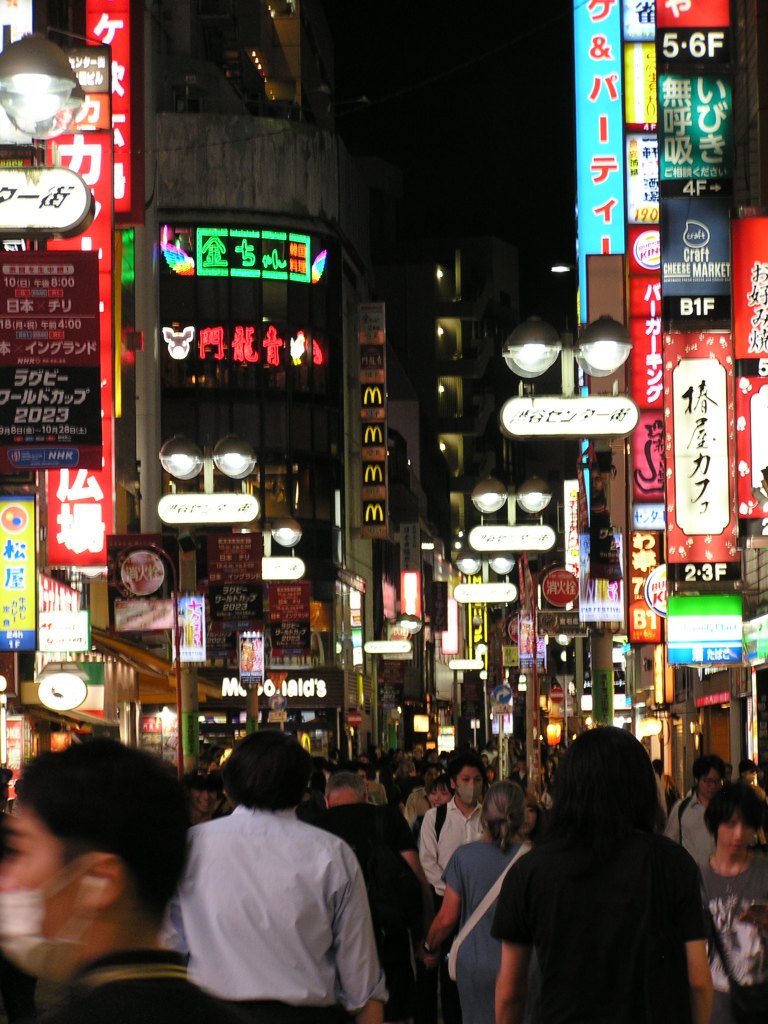
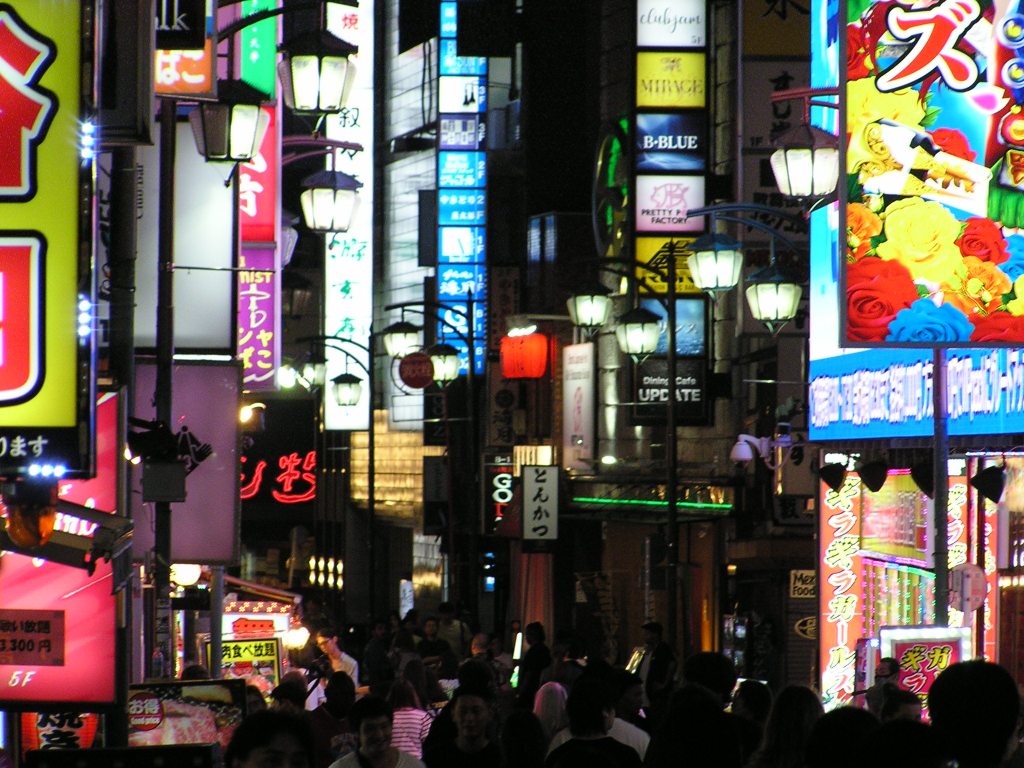
Another aspect with makes Tokyo such a marvel of a city is the convenience. Anything you could want is at your fingertips at nearly any time of the day. I think Tokyo might give NYC a run for its money in regards to the amount of 24 hour restaurants, clubs, and shops. It just never seems to stop.

There are negatives that come with this as well, one of them being the infamous work culture that consumes Japan. This all or nothing mentality can be seen on the streets, where businessmen are visibly drunk or even drunkenly sleeping on the streets after a long day of work and an even longer night out. I guess there has to be a way for them to release all of the stress that comes from working those egregious hours.

Shinjuku at night, 2023

Overall, Tokyo is a unique and interesting city which I implore you to visit given the chance. While no place is perfect, I think there is so much to learn from the Japanese. A generally very kind and respectful people who prioritize the efficiency of their society. The most modern city in the world – visiting will leave you impressed, and wondering what ways we could improve the operability of our own countries.

Day 18: Seoul — K-pop, Kimchi, and Other Korean Curiosities

“Seoul is attracting the world’s attention these days.”Munsoo Kwon

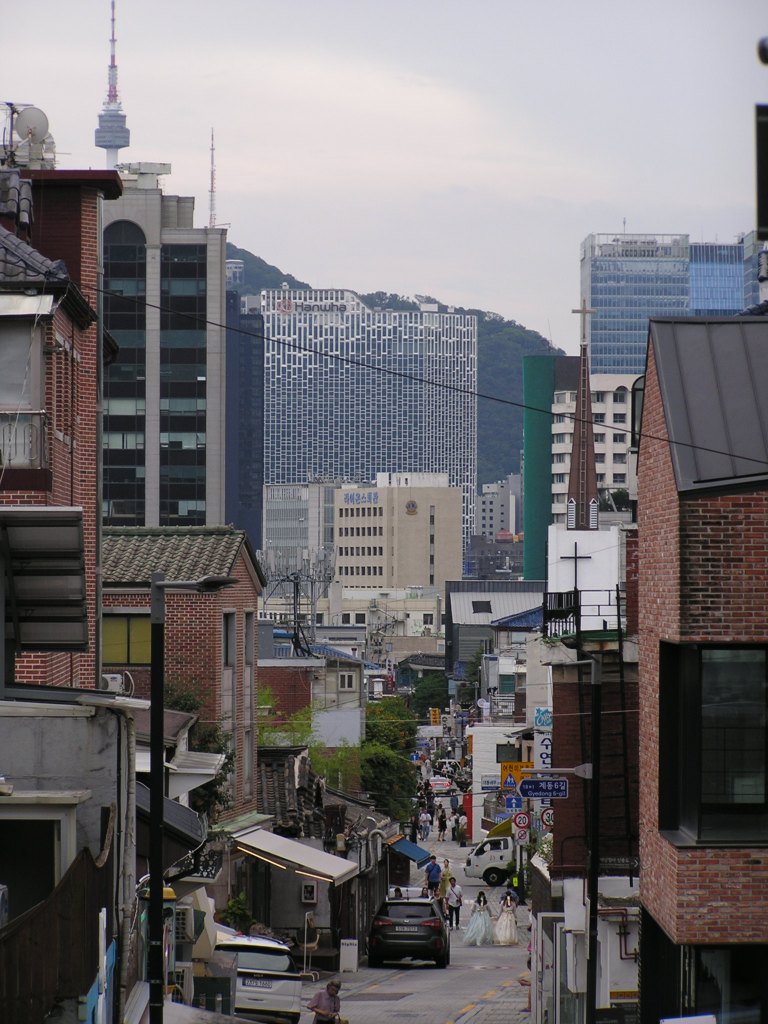
View near Bukchon Hanok Village, Seoul

When I arrived in Seoul, I could sense that I was going to enjoy this place. The night lights were colorful and flashing, often displaying some tasty Korean dishes, the sound of dance music and K-pop was blaring through the streets, and the air smelled of Korean BBQ.

I was sold.

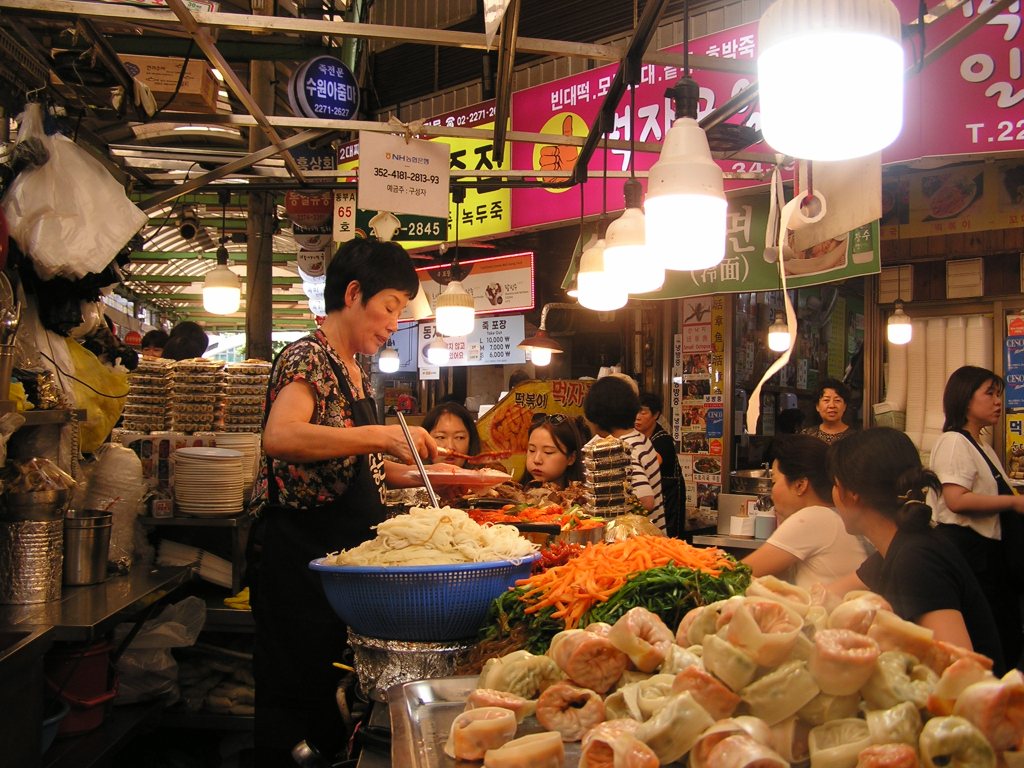
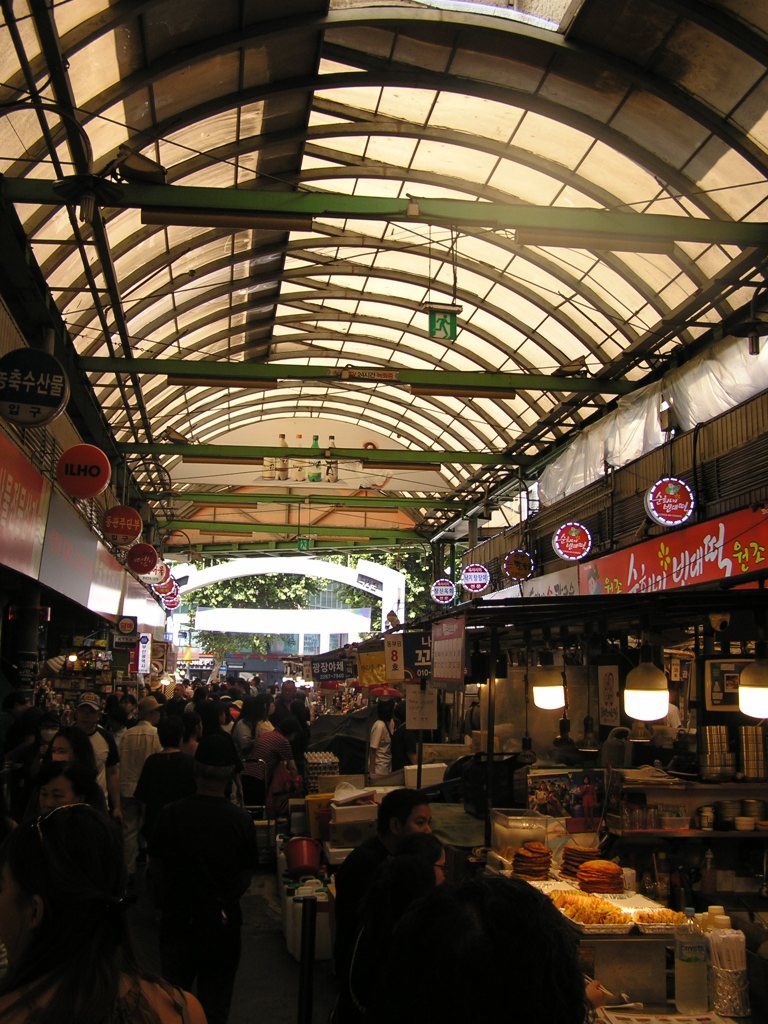
Like Taipei, Soul also has a food market culture. I was staying close to Gwangjang market, so I had to check it out immediately. This is one of the more traditional markets of Seoul, and you can find foods like mung bean cakes, gimpab (seaweed rolls), dumplings, chicken feet, japchae (Korean glass stir-fried noodles), beef tartar, blood sausage, rice cakes, kimchi bibim guksu (spicy cold noodles with kimchi), and red bean porridge.

One of the many food stalls in Gwangjang Market, Seoul
Gwangjang Market, Seoul
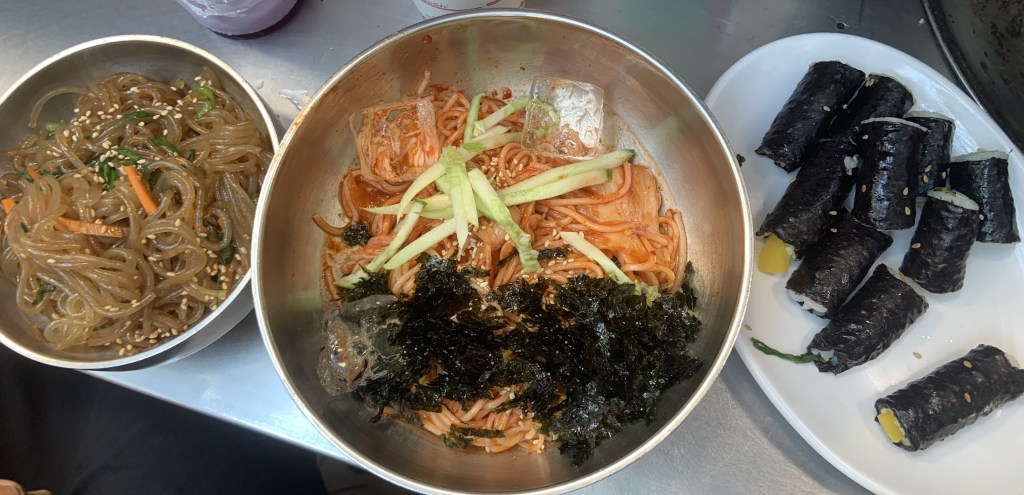
(From left to right) Japche, Bibum Guksu, and Gimpab

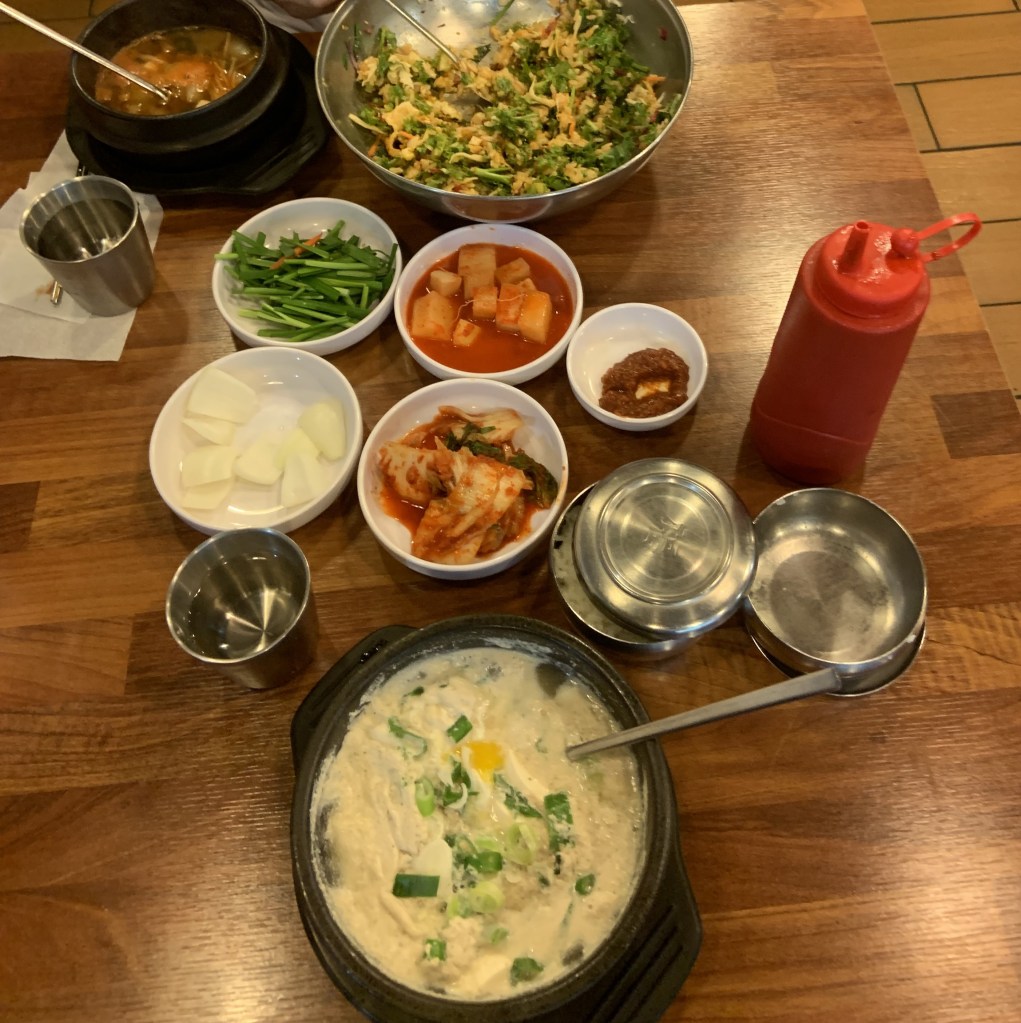
Upon ordering just about any dish in South Korea, you will be served small plates of “banchan.” These are side dishes that can consist of kimchi, seasoned soybean sprouts, spinach, spicy cucumber salad, stir-fried zucchini, spicy radish salad, steamed eggplants, braised potatoes, and many more.

Example of banchan that comes with Korean dishes

Having this wide range of side dishes with every meal is quite a delight. With every bite of the main course, I found myself mixing and matching tiny bites of my banchan. It made each mouthful interesting and unique. A little bit of this, a little bit of that, a little bit more of this… why not?!

I found Korean dishes to be very well-balanced: Spicy, savory, salty, fatty, and acidic to the perfect degree. There weren’t many meals that I didn’t enjoy.

Out of all the banchan, kimchi seems to be the most important. Kimchi (pictured in the middle above) is fermented cabbage doused in a red mix of seasonings and peppers. The flavor can vary a bit depending on the family recipe, but it is often the perfect mixture of spicy and tangy, cutting through the fat in meat-heavy meals and serving as a palate cleanser. It’s quite a strong and distinctive flavor that will likely grow on you.

Aside from the food, the people will also quickly grow on you. While they hold matters of respect and decency to utmost importance, through various interactions and watching many bizarre Korean advertisements on the metro, I got the sense that Koreans are also people who love to have a laugh and don’t take themselves too seriously.

Plus, I found myself wanting to show off my horrendous dance moves to K-pop that can be heard playing through the speakers of many public places. This led me to think about the recent exportation of Korean culture to the rest of the world. Korean media continues to rise in popularity, and we have seen pop groups like BTS and shows like Squid Game become household names here in the US. This level of creative cultural exportation is certainly impressive for a relatively small and homogenous nation.

South Korea is a country that kept me wanting more. Music music, more kimchi, more delicious grilled meat. While there are surely many dystopian aspects of Korean society as well that I didn’t get into here, it is a great country that I think just about anyone would enjoy. If you are curious about trying new flavors and foods (and listening to a lot of K-pop), this is the place for you.

I’d only advise you to eat enough kimchi to counter the inevitable meat sweats.

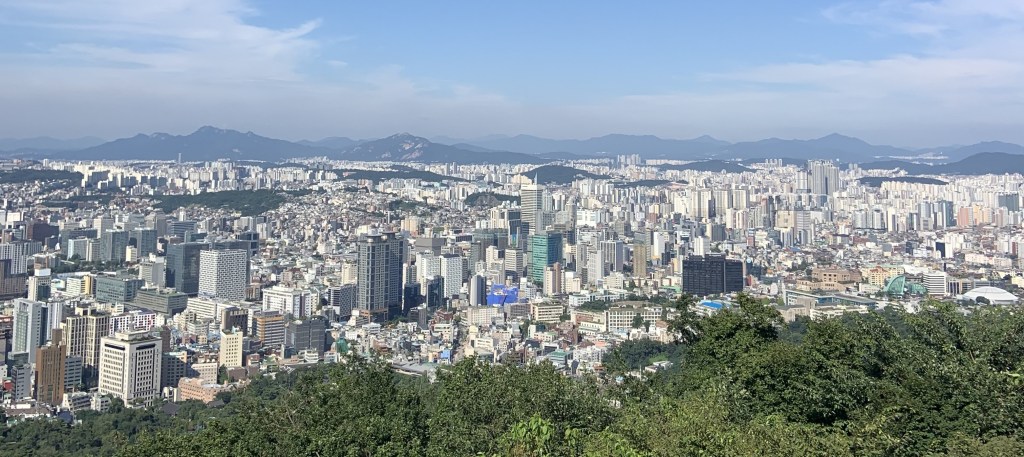
View of a portion of Seoul from the base of N Seoul Tower

Day 16: Taipei — The Foods Come Out at Night

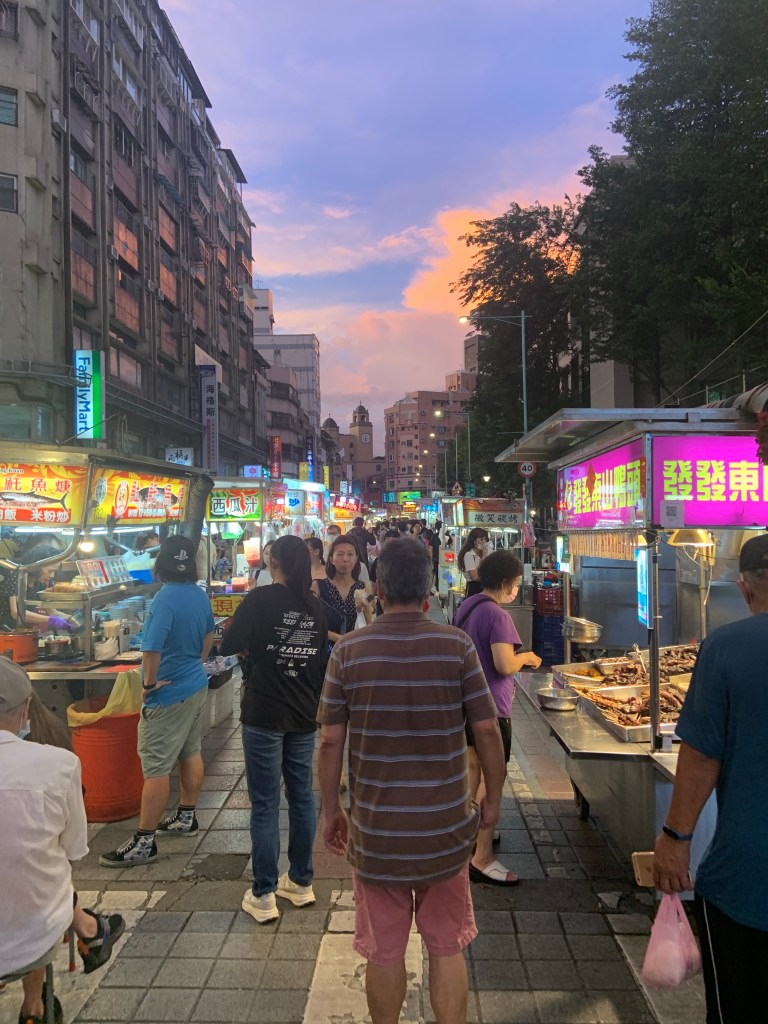
Ningxia night market, Taipei

When the sun goes down in Taipei, the city is transformed into a street food Mecca. In many areas around the city, you’ll find night markets that spring up in their designated places every night from around 5-11 PM.

A truly genius idea if you ask me; they’re doing it right.

While the night markets center around food, they also seem to have a deep cultural importance. Kids can be seen playing near the stalls. Families meet to have a meal together and enjoy the night. Teens meet up to have some food and hit the arcade. It’s a place where one can be carefree and simply enjoy the ambiance. Luckily, tourists like me get to temporarily participate in this nightly ritual.

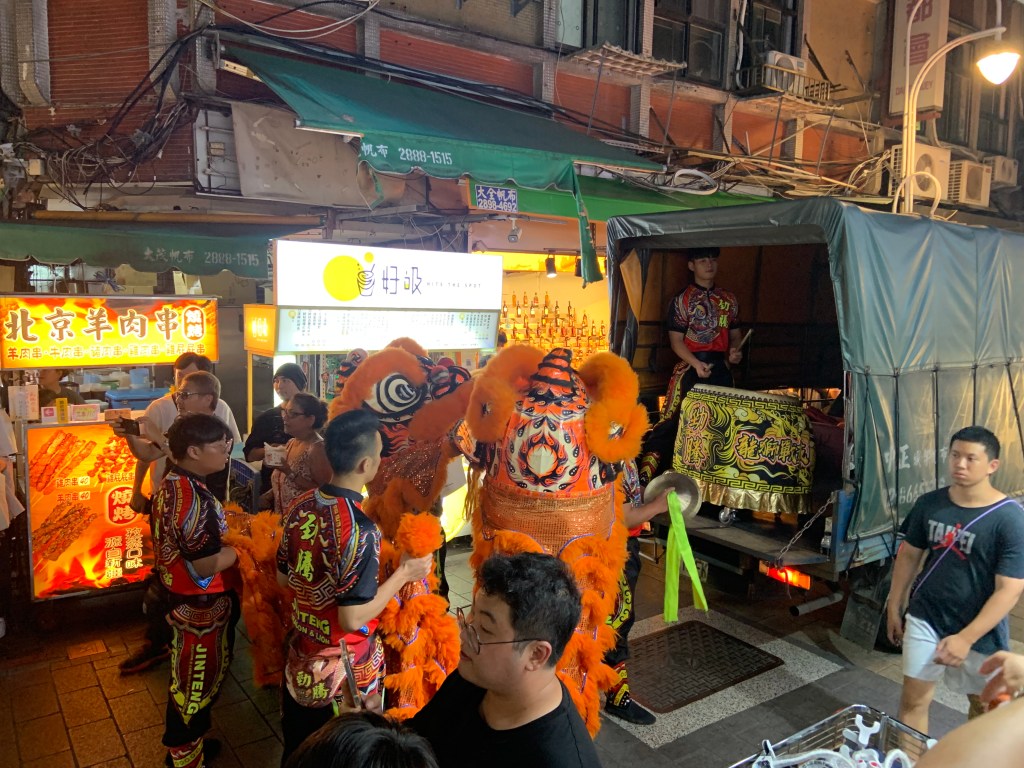
While I was visiting one of the markets, I even got the opportunity to witness a Taiwanese celebration of sorts. I’m not entirely sure what the occasion was, but a full-scale parade invaded the middle of the night market alley to play traditional music and have performances. It was quite an unexpected experience and gave more insight into how food and culture are deeply intertwined here.

Ningxia night market, Taipei

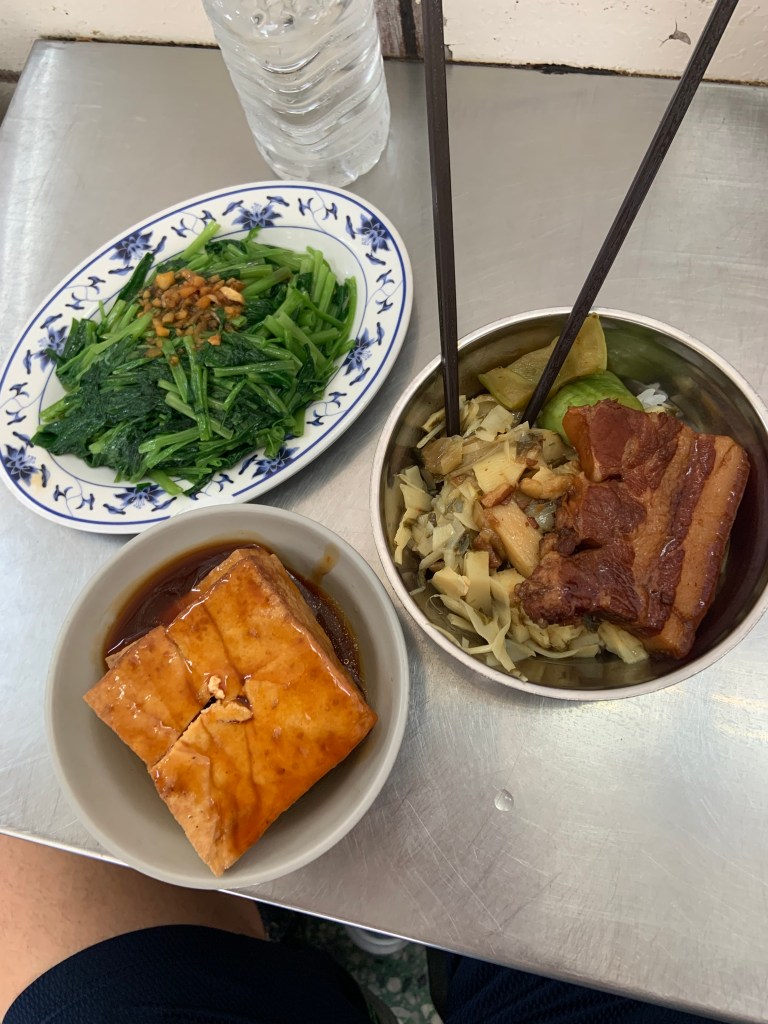
I went to four different night markets during my time in Taipei, and my stomach was quite happy at each. These markets are popular with locals and tourists alike, young and old, rich and poor, and are buzzing with energy. While perusing the pedestrian-only streets, you can find treats that go for just a few USD each: Grilled meats, dumplings, oyster omelets, Taiwanese fried chicken, frog eggs, octopus, lu rou fan (braised pork belly over rice), and of course, the infamous stinky tofu.

Stinky tofu is tofu that has been fermented. And they call it “stinky” for a reason, you can smell this stuff being cooked up outside from a few streets over. The odor most closely resembles an uncleaned horse stable.

So naturally, I had to try it.

While the smell is quite strong, the flavor isn’t nearly as potent. It tastes like typical fried tofu only with a slight twang. Not too bad, I ended up eating it several times in Taipei.

Aside from this, you can find many more foods in Taipei’s many night markets that I didn’t have the chance to try or still don’t know about. I also noticed that there were a few food stands that were experimenting with new flavors and fusions, which I also found exciting. I felt like a child walking down the long aisles of food stalls, in a complete daze by all the lights, smells, and sights. The night markets seem to be an important part of the culture here, and they serve as social spaces for people to gather and enjoy good food.

Taipei is an innovative and food-centered city that can easily quell your hunger. Its distinctive cuisine will pique your interest; you’ll want to try something new here, just don’t mind the smell.

Taiwanese braised pork over rice and mushrooms, yu choy, and tofu

Day 15: Mid-journey Reflections

“The great art of learning is to understand but little at a time.” — John Locke

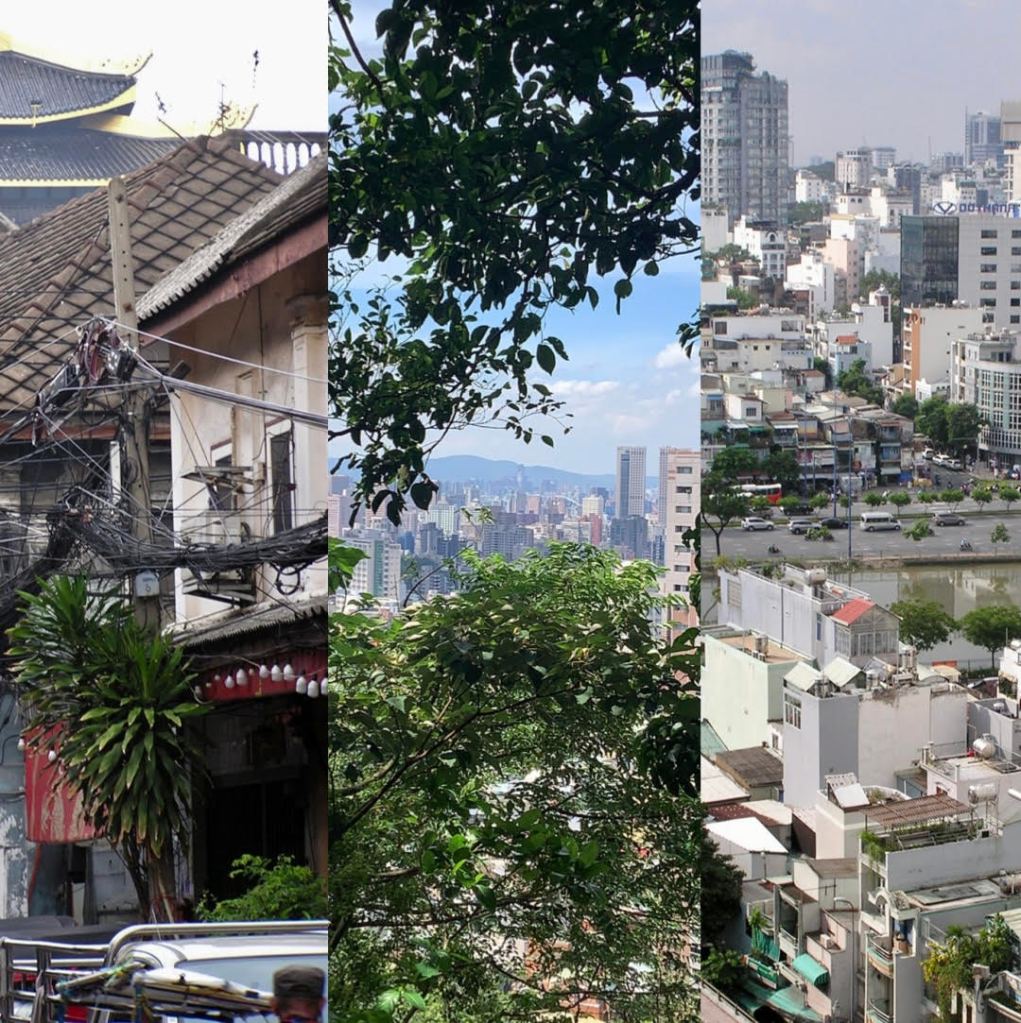
From left to right: Bangkok, Taipei, Saigon

I am but a mere onlooker to the societies I find myself in, observing through my narrow and biased lens. It’s like being an astronaut and only being able to see the surface of an unknown planet from afar, from the safety of the vessel. There is always more than meets the eye, and more nuances than can ever be noticed in such a short time, especially considering my complete lack of the local languages. However, we English speakers are quite privileged due to our mother tongue conveniently serving as the modern lingua franca. This allows us to communicate (at least basically) with many others from around the world; we shouldn’t take this for granted.

Alas, there is still only so much I can absorb and attempt to convey. I am only able to experience a filtered and restricted version of reality. I want to fully acknowledge these limiting factors.

With that being said, there is still importance in expressing my experiences/observations and having them serve as a record. There is something uniquely valuable about attempting to capture the essence of a place or experience for that moment, as there will be no other moment like it. The insights captured in these moments are unique and should be shared with the world. Everyone has a unique view of reality and how they experience events; all of our insights are worthy of being shared across the stream of human consciousness.

Among all of its negative implications, this is one of the most powerful things about the internet of today. These posts will likely be accessible long after I am gone. They will serve as a record of human experience and perhaps can provide insight or will be interesting and/or valuable to someone in the future. If only one person reads this and decides to travel, step out of their comfort zone in some way, dissolves their ignorance about other cultures, expands their mind, or if it serves as an inspiration to take action on something they are passionate about, I think that makes these writings worthwhile.

I want to highlight the importance of critical thinking and in examining foreign societies while in turn examining your own. Through cross-cultural communication and societal immersion, we can break down barriers and stereotypes that hinder our progression as the collective human race. While cultural factors do separate us, through immersive travel we can understand that our similarities are much more numerous and powerful than anything that separates us.

And above all, stay curious and keep an open mind. You’d be surprised where this can take you.

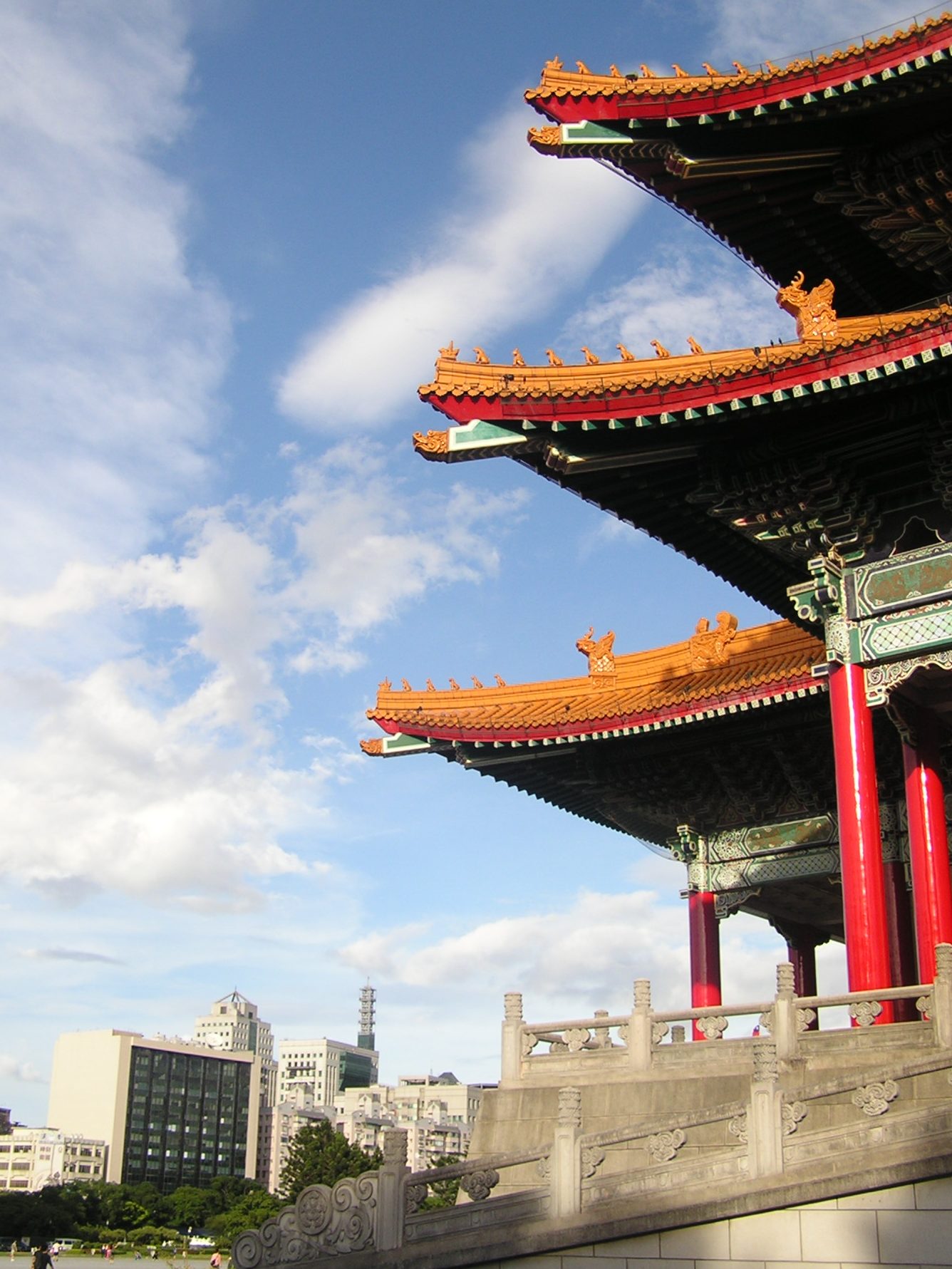
Taipei’s Chiang Kai-shek Memorial Hall [8/30/2023]

Day 13: Taipei — An Introduction to Asian Modernity

“It’s far from the best looking city on Earth, but it’s a deceptively wonderful one. I can’t claim to be an expert on Taipei. but it’s a place that runs deep.” — Anthony Bourdain

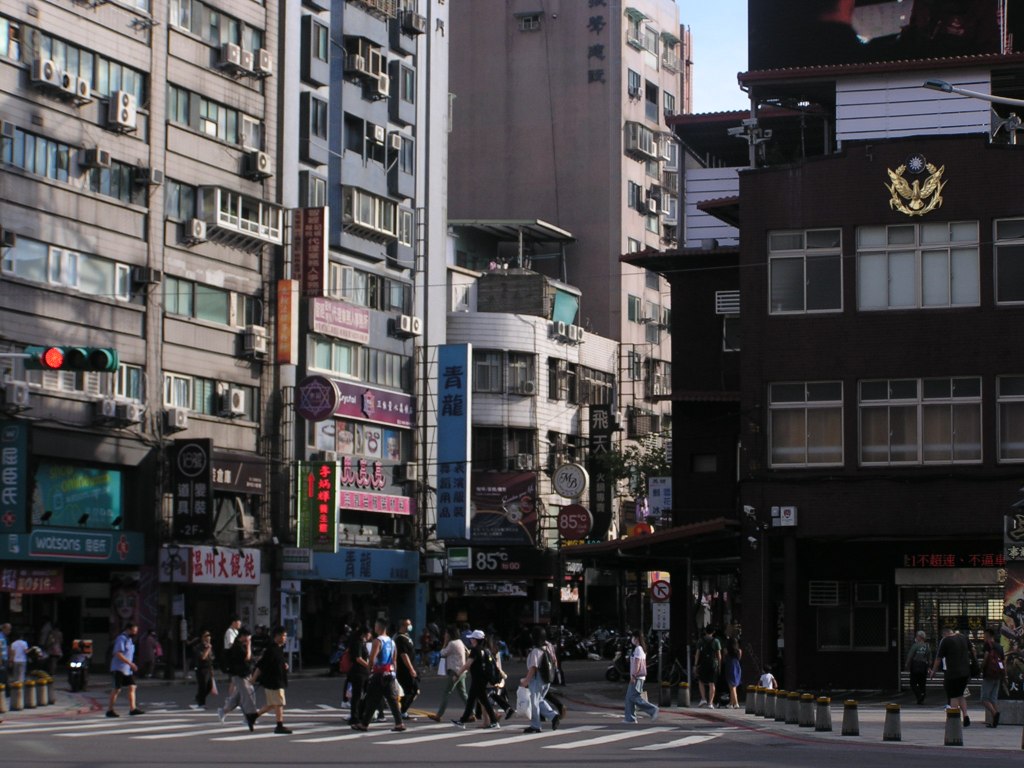
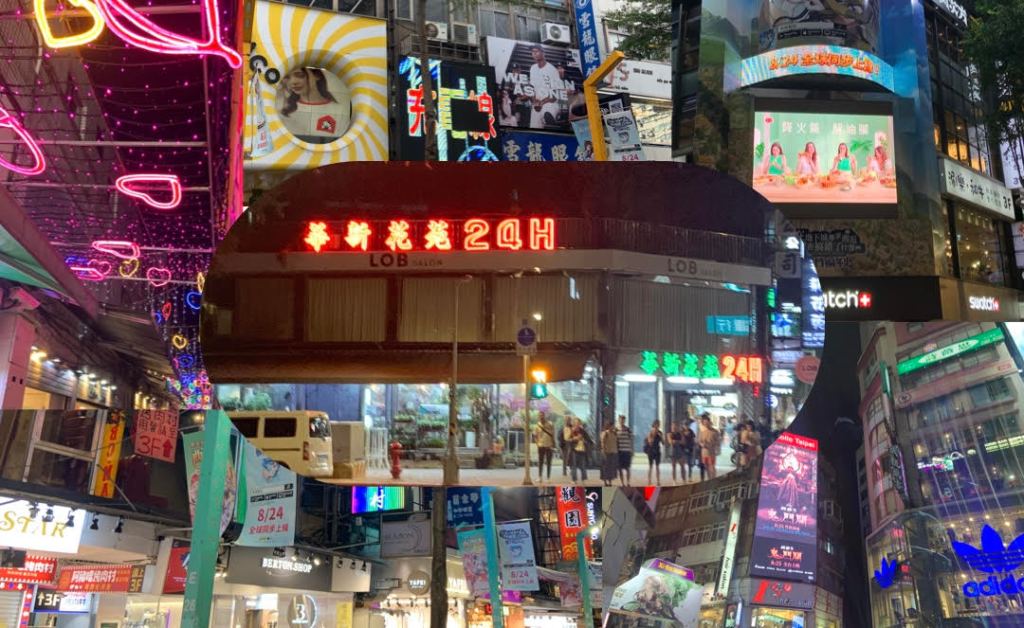
Ximen area of Taipei, Taiwan [8/29/2023]

I cannot overstate how vastly different of a city Taipei is from my previous two destinations (Saigon and Bangkok). Those places are like the wild west compared to what I find myself in now. The traffic patterns make sense here, and people actually obey the road signs; there is a sense of social order that I haven’t encountered yet on my journey.

One would think a return to a bit of familiar Western normalcy might be comforting, and I admit, it has been, but some aspects are a bit uncomfortable as well.

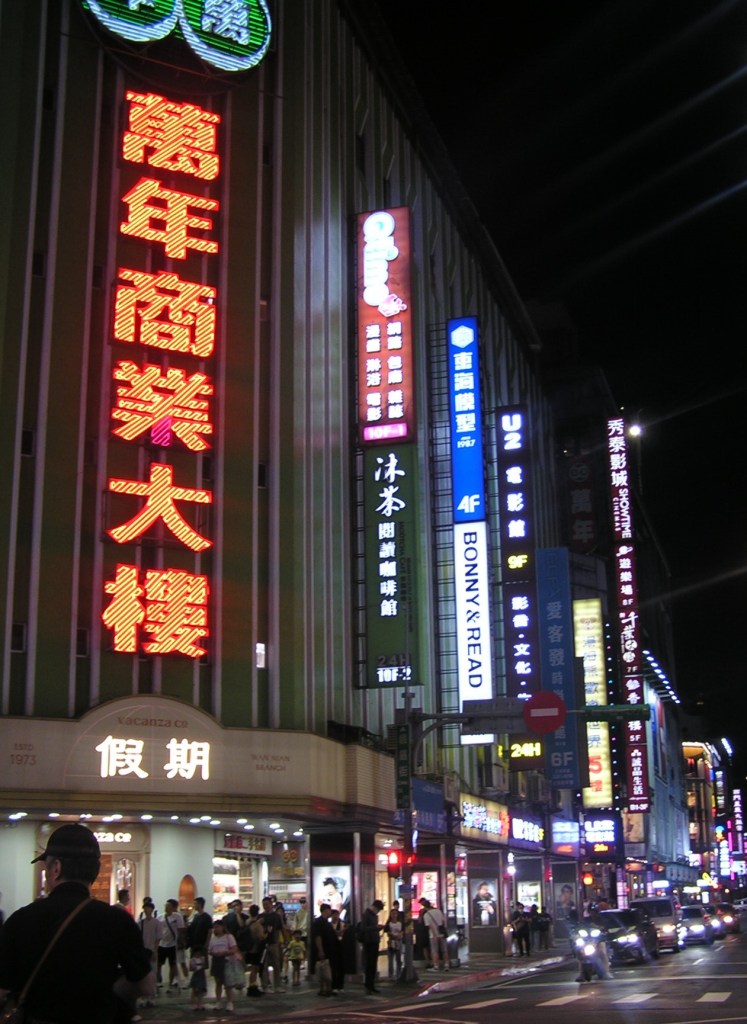
For example, advertisements: They are synonymous with capitalism, and we have our fair share of them in the Western World, however, it is taken to another level here. Every street seems to be plastered with them: glowing posters, giant screens, flashing lights, catchy jingles, people in costume, and just about anything else that can used to capture one’s attention. Think Times Square level of sensory bombardment but permeating into a vast swath of streets.

There seems to be no regulation of this plethora of ads, many depicting thin women blatantly photoshopped to perfection, promoting clothes or beauty products. I don’t know the statistics on the rate of body dysmorphia among adolescents and teens here, but it has to be uncomfortably high. It leads me to ponder the full implications of allowing this level of unfiltered corporate propaganda to run wild within a society.

Conglomeration of Taipei’s many lights

However, despite the dystopian level of product placement, Taipei is pretty awesome. As I imagine will be true of Seoul and Tokyo, convenience is unmatched. Transportation is a breeze; the city’s metro system is cheap, efficient, and impressively robust. Corner stores like 7-Eleven and FamilyMart can be found on almost every street, and are open 24-7. The food options are plentiful and run late into the night as well.

It’s a city built so dense that one could likely find everything needed for survival within the same block as their hotel. The Taiwanese have made use of every square inch of space that they have. Their capital seems to be presently existing in the future, and will surely serve as a preamble for my next destinations.

Night shot of Taipei’s Ximen area [8/29/2023]

I am finding that comparing Asian modernity to Western modernity is next to useless. While both societies do favor one another in some ways, there are also many fundamental differences between the two. It’s intriguing how the mix of democratization and technological innovation can produce such vastly different realities between countries. While there are many reasons for this, I think it can be largely attributed to differing values and cultural identities. The varying degrees of individualism and collectivism are partly responsible for how societies evolve.

The core principles of Confucianism are still very much present here, but Western capitalism has rooted itself firmly within.

Thus, Taipei, and all developed democratic cities for that matter, are a product of human innovation and core values. A city’s identity is constructed by how a majority of the population interprets the world and what they deem important, which influences the prioritization of certain societal attributes, ultimately shaping modern-day reality for its inhabitants.

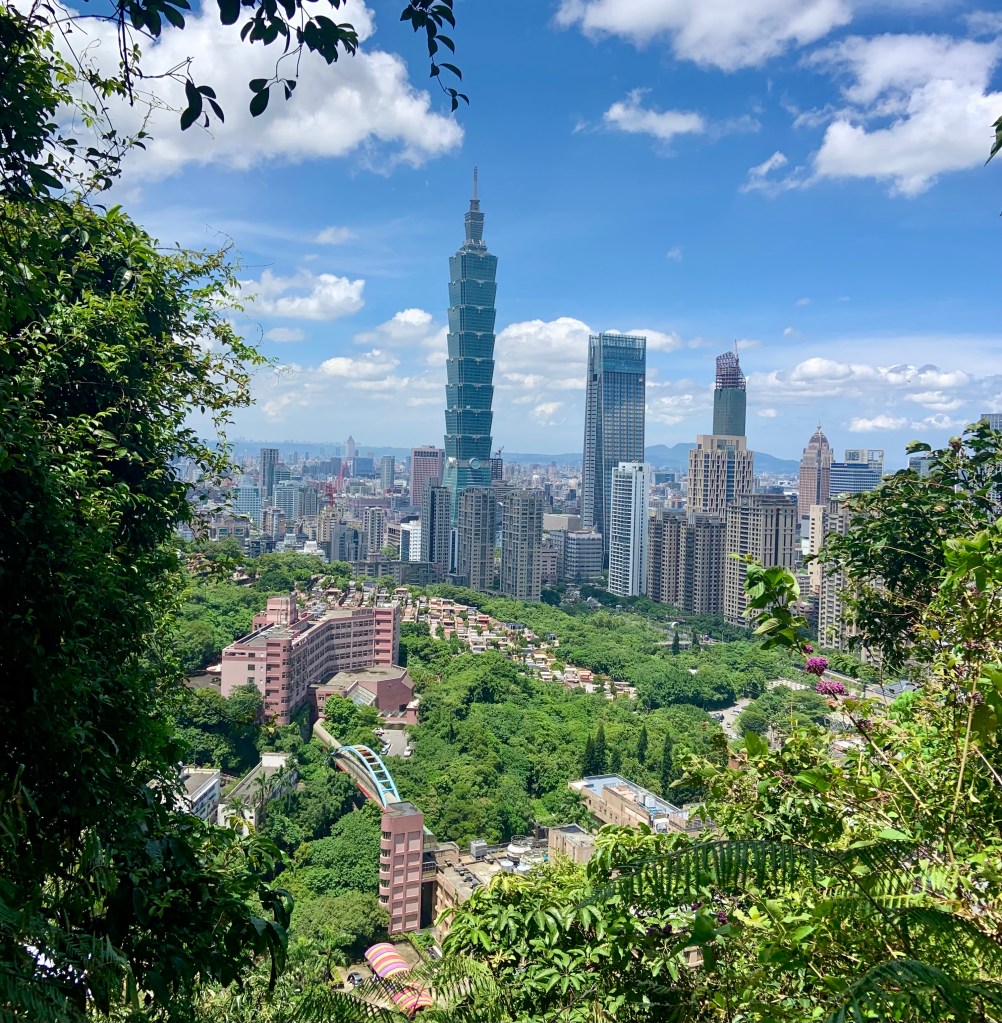
View of Taipei 101 from Elephant Peak [8/29/23]

Day 10: Bangkok — Exuding Exoticism

“Thailand was never a European colony, so even though the city is very Western on the surface, deep down it’s very Asian. It’s quite enigmatic, and I like that. I can’t get to the bottom of Bangkok, and I never will.” — Lawrence Thomas

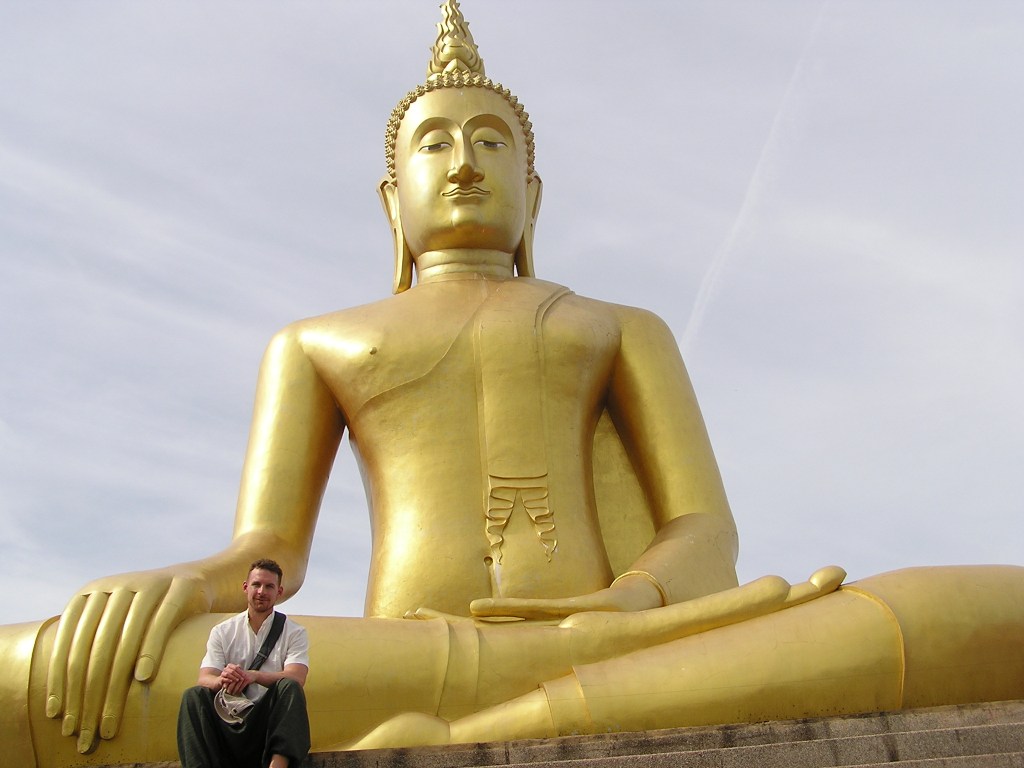
Me posing with a giant golden Buddha at a temple just outside of Bangkok [8/25/2023]

After several days in Bangkok, I can say it’s somewhere I can’t quite put my finger on.

As the above quote states, there are signs of capitalism and Western culture everywhere. However, once you look a bit deeper, you are met with an array of differences from Western society. A large part of this is likely due to Thailand never being a European colony, its identity has stayed much more pure and uncorrupted than many of its neighboring nations. With this historical knowledge in mind, one can begin to realize why Bangkok can be perceived as deeply exotic by us Westerners.

Buddhist temples are littered around the city, inducing a sense of awe. People are sleeping on the streets at an uncomfortable number. Pungent and unfamiliar odors fill the air, changing from moment to moment. From swage, decaying animals, fermenting garbage, meat and spices, fish, fruit, and deep-fried dough, to everything in between, one’s nose is filled with a morphing concoction of unfamiliar smells.

Bangkok is also a city that seems to specialize in normalizing the taboo. One can find whatever (or whomever) they’re looking for here; it provides limitless options to fulfill every lustful fantasy we humans hold. It boasts an infamous red light district, where just about anything the mind can imagine can be witnessed. Additionally, one will also surely encounter the city’s many prostitutes. They can easily be found lining the streets at all hours, attempting to lure in any lonely man who passes them by.

Alleyway of Bangkok’s Chinatown, prostitution is common here [8/25/23]

I wish I could offer more insights about Bangkok, but it remains a mystery. I find it quite difficult to write about honestly. Shrouded in a veil of Eastern mysticism, it is enormously different than the society to which I am accustomed. On the surface, Bangkok is modernizing and evolving, but beneath its surface, there remain deep-rooted traditions that seem to be impermeable to new influence and change.

Bangkok came and went like a dream. Upon departing, I find myself rubbing my eyes in perplexity, questioning the very existence of this exotic wonderland.

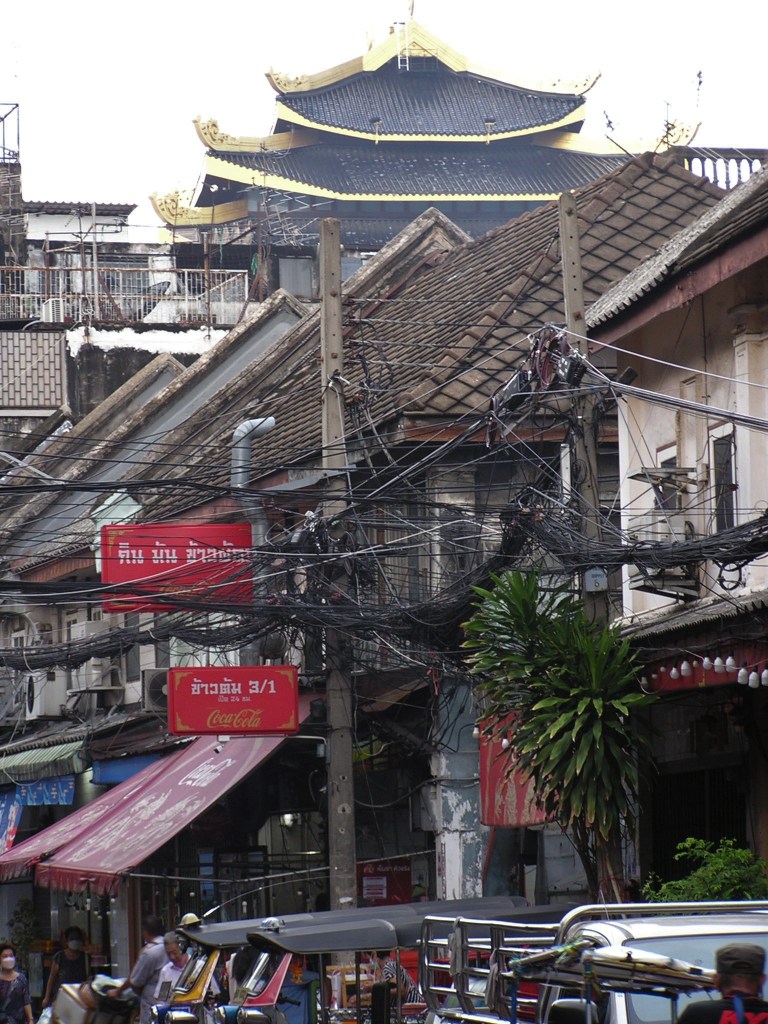
Side street of Bangkok’s Chinatown

Day 9: Bangkok — A Curious Concoction

“The allure of Bangkok lies in its ability to surprise and inspire at every turn.” — Unknown

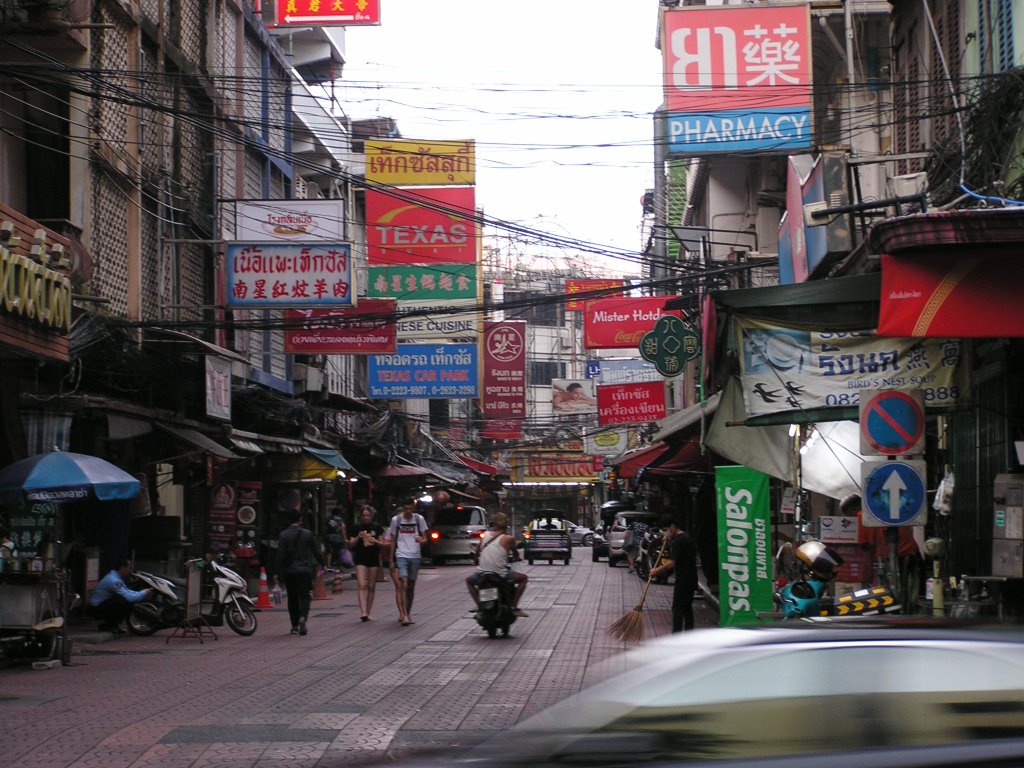
View of one of the many side streets in Bangkok’s Chinatown [8/23/2023]

I landed in Bangkok in the afternoon on August 23rd and took the bus to the public transport. An average person would have probably just called a taxi, but I like to challenge myself to see if I can navigate to my destination like the locals. Also, I just really love riding metro systems.

I’m not going to lie, I didn’t expect much of Bangkok’s metro system, but to my surprise, it seemed modern, clean, and efficient. I was able to find the station, buy a ticket, and navigate to my destination with relative ease.

Comparing it with my baseline of Vietnam, at first impression Bangkok is it’s a tad more dressed up and modernized than Saigon (in some areas). I am staying in the Chinatown neighborhood of Bangkok, which is quite exciting and bustling with life. The Chinese have a long history in Thailand and have been migrating here for hundreds of years. And of course, this reality makes for both cultural and culinary conglomerations.

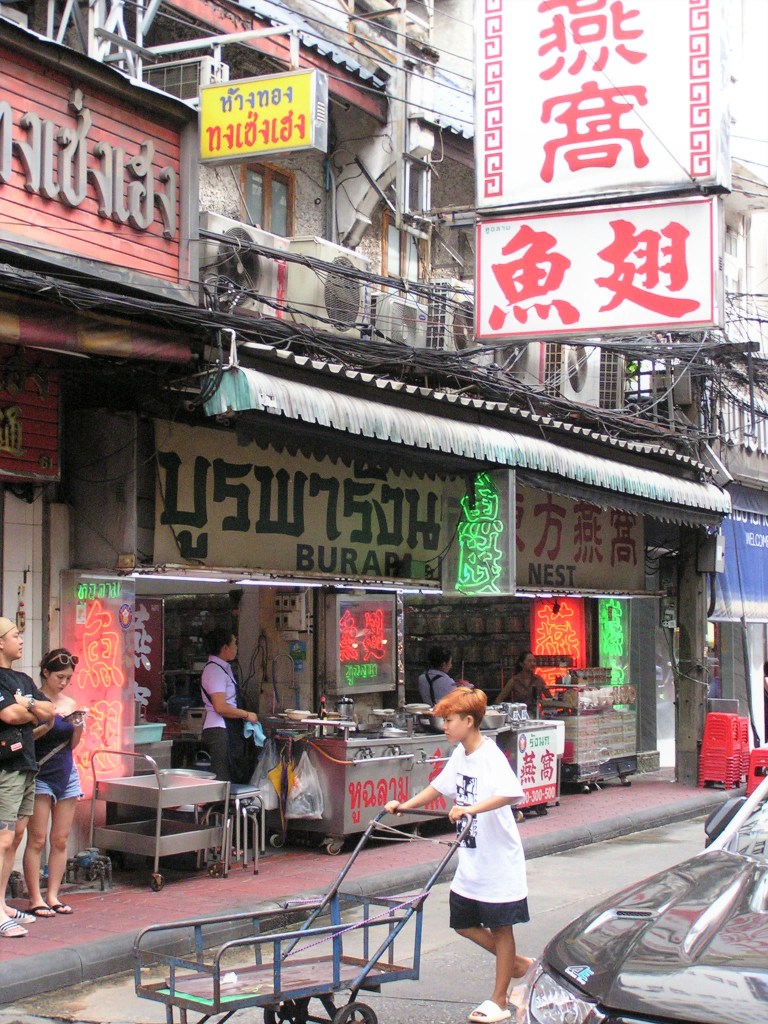
A Chinese-Thai restaurant in Bangkok’s Chinatown [8/24/2023]

Like Saigon, The abundance of food in Bangkok is overwhelming. Only here, the wok is king. Many street food carts have multiple giant woks ready to go at a moment’s notice. In the blink of an eye, the vendors take orders, and all in one motion, throw the ingredients into the blisteringly hot woks. Like an angry dragon, flames shoot out from under the food while the cook shakes and stirs the contents vigorously with a metal spatula, cooking it to perfection at an astonishing speed. A mixture of steam and smoke instantaneously emits, filling the air with a distinct aroma which usually consists of meat, fresh herbs/spices, and of course, Thai chilis. A true match made in heaven.

The sound of this process is jarring as well; with an initial sizzle so piercing that it could make an unsuspecting patron leap out of their chair. In fact, one will undoubtedly see and hear many bewildering things here. But don’t be alarmed, this is Bangkok.

Bangkok’s Chinatown [8/24/2023]

The shock and awe here seem to be part of the character of this city. Perusing around the streets, something (or someone) is bound to catch your eye and make you realize that you’re not in Kansas anymore — this is about as far from American suburbia as one can get.

While intense and at times unrestrained, the people here are also kind to their core; they have deeply rooted Buddhist traditions that emphasize dignity and respect for fellow human beings. People want to ensure you are happy, fed, and cared for. When saying “thank you” it is customary to join hands and give a bow, which I find incredibly endearing. It also tears down barriers and helps you feel connected to the person on the other end. And street vendors are often happy to serve foreigners; when sharing how much you enjoyed the meal their faces often light up with excitement and joy.

As someone who loves to sit and simply observe foreign societies, Bangkok is like Disneyland for me. I could sit for hours on a busy street corner and take it all in. The sights, the sounds, the food, there is so much going on; there is a story happening everywhere. There is also an elusive aura here that I am having difficulty understanding, perhaps this is due to my biased Western lens of interpretation.

I’ve never been exposed to something quite this exotic. 

One of the many Buddhist temples in Bangkok [8/25/23]