Buenos Aires: Herbal Infusions

Shot near the San Telmo neighborhood, Buenos Aires

Gaining its independence from the Spanish in 1816, much like the US, Argentina has now had a few hundred years to develop its own identity. And also like the cities of the US, Buenos Aires is a place of immigrants, many of whom can trace their roots back to mainly Spain and Italy (estimates range some 70-90% of full or partial European origin). And while this European hegemony is undoubtedly ever-present within many facets of life here, there are also a variety of other influences that have worked to shape the country into its current form.

In our mission to find some unique attributes that separate Buenos Aires from its European counterparts, one of the first notable differing features witnessed in the city was the widespread consumption of yerba mate tea; a practice taken up from the indigenous Guaraní people of South America, Argentinians still overwhelmingly use the plant during their day-to-day lives.

Walking the streets of Buenos Aires, I noticed people carrying around a “mate,” which is the name for the special container in which yerba mate is consumed, and a thermos of steaming hot water, used as a portable vessel to pour the water directly on the dried and ground leaves of the plant, brewing the yerba mate tea. The final product is then consumed through a distinct filtered metal straw, known in Argentina as a “bombilla.”

With its unique earthy and almost primitive herbal taste combined with the method used to consume it, it does feel like some sort of ancient practice. Yerba mate does contain a notable level of caffeine, although less than that of coffee. It is also said to have less of the “crash” effect associated with coffee and is argued to provide a variety of other health benefits.

The mate container itself has quite an interesting look, resembling something primitive or indigenous, and it definitely caught my eye as I was perusing through the streets. It is shaped like a small oval gourd and has a small metal straw (bombilla) and chopped green yerba mate herbs protruding out of it. This can be better depicted below.
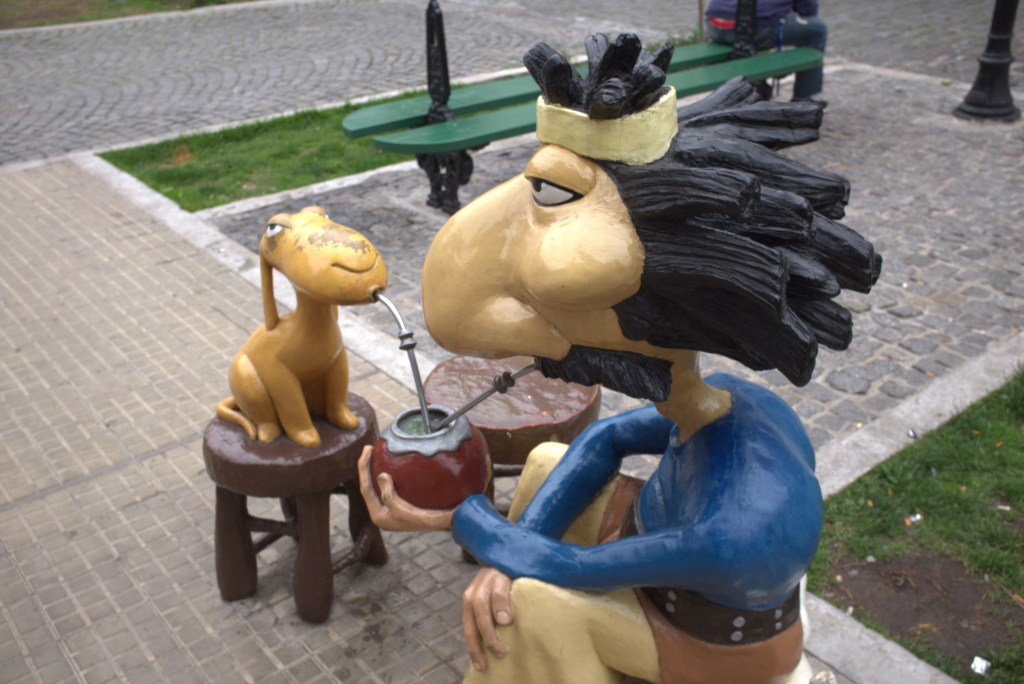
Street sculpture depicting two cartoon characters consuming yerba mate

While the consumption of yerba mate is an obvious societal difference between Argentina and Europe, it may not seem to hold a great deal of significance. However, I would argue there are valuable insights into this simple practice that can tell a deeper story about the Argentinian people.

While people brew and drink yerba mate on the go, it also plays the role of being a unique social practice here. Argentinians make time to get together with friends and family, whether it be inside or outside their homes, to collectively brew and drink yerba mate, often passing around the same gourd around a circle of people. There is also a certain ritual and cadence during group consumption, where certain rules and norms have been established and are inherently known.

Another interesting attribute to note is that because the yerba mate ritual was so widespread from the early days of Argentinean colonization, it served as an equalizer between people belonging to different social classes, serving as a connector between those of differing backgrounds.

This is not to say Argentinian colonialization was without its horrors and perils, far from it. However, it is worth noting that the proliferation of the herb has persisted through many years and made its way into the general culture of a deeply rooted European population. A tribute to its ever-important and impactful indigenous influences that have molded it into the unique society it is today.
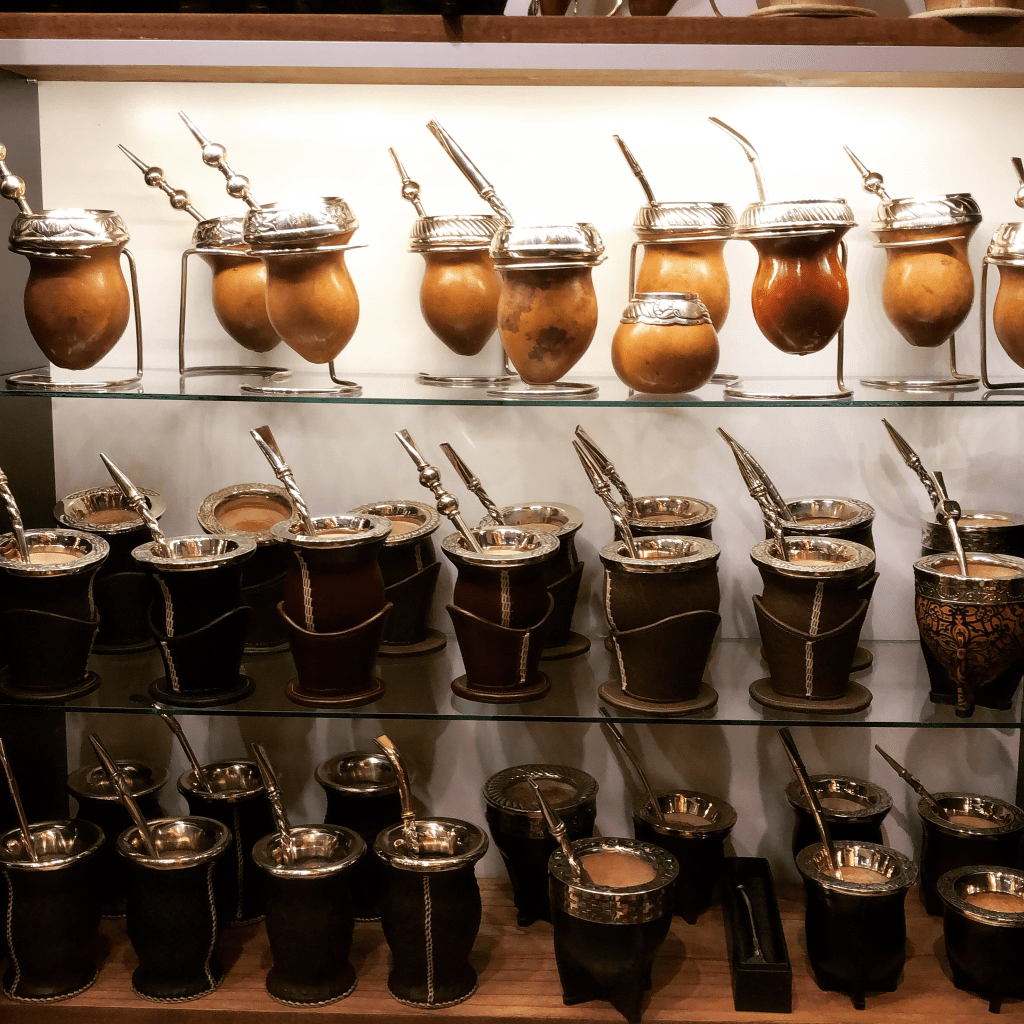
Mates and their bombillas on display in a Buenos Aires mate store

Day 22: Tokyo — Engineering Extreme Efficiency

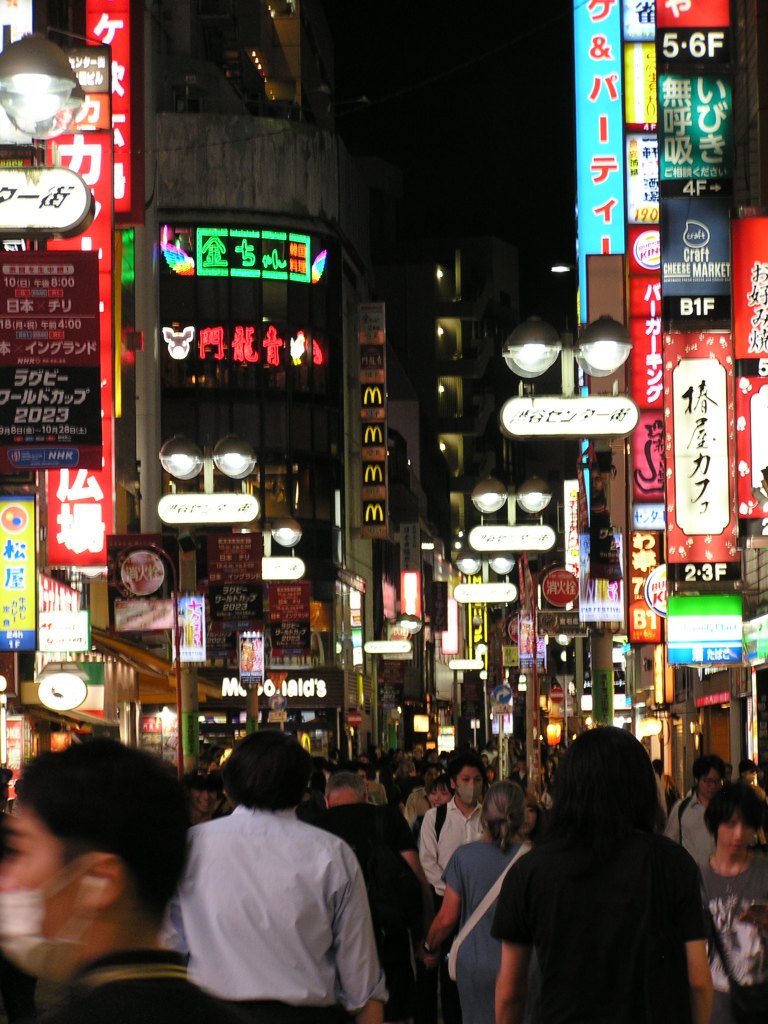
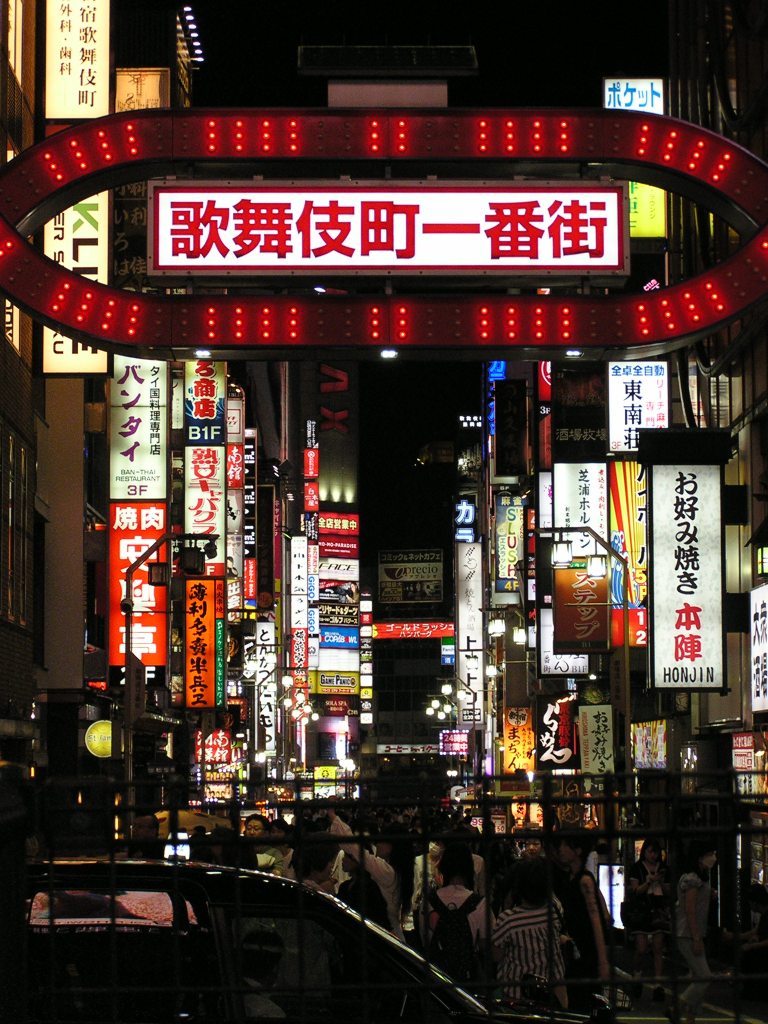
Shinjuku at Night, 2023

Upon landing in Tokyo, it’s obvious this place is in a league of its own. Efficient, hyper-modern, shiny, clean, and the list goes on. It is a world-class city by all conventional measures. From an efficiency and functional standpoint, I would make the argument that Tokyo itself is the pinnacle of what humanity has achieved in urban planning and development.

The metro system is vast, quick, and timely. The seemingly endless labyrinths of its network go far underground, and the stations themselves are almost like mini-cities. In addition to its 35 train platforms, Shinjuku station boasts dozens upon dozens (maybe even one hundred plus) of retail stores and restaurants. You could spend your whole day at just the station.

The metro is an overall pleasure to ride, and the engineers behind the marvel of a system seemed to have thought of everything. One can notice that very last aspect of the design and operation was made to most efficiently move people from point “a” to point “b.”

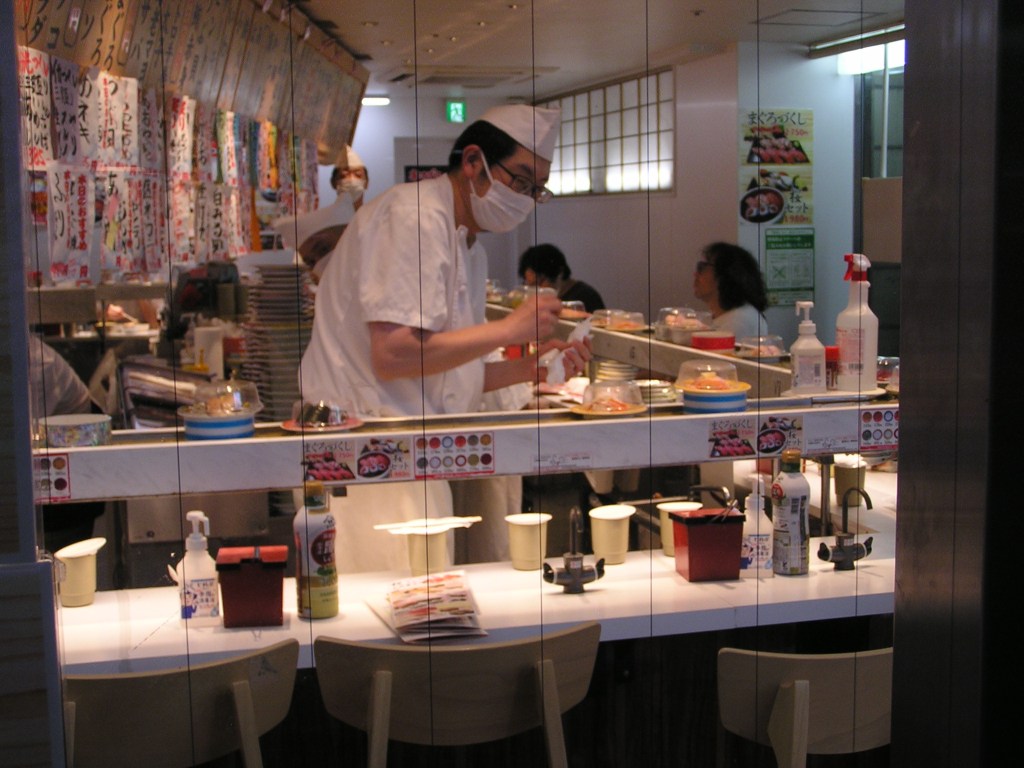
Keeping on the topic of impressive Japanese efficiency, another thing I loved about Tokyo were the conveyor belt sushi restaurants. They are quite the experience for us westerners.

Window looking into a conveyor belt sushi restaurant, Tokyo 2023

No reservations, no check-in, you don’t even have to utter a word; if there is a seat available, you just have to sit. When you’ve finally reached the counter, you’ll see a wide range of items tantalizingly floating across your view, all there is left to do now is grab a plate (or many, many plates). The only time you have to talk to a staff person is when you are craving a beer, in which case it will be promptly brought to you in an ice cold glass and served on a beer plate, of course. They will need that to tally onto your total bill.

When you finally muster the ability to cut yourself off from the unregulated feast, you signal to the wait staff that you’re throwing in the towel. They then come over and count all of your plates, which are color coated to identify the price of that particular item. The total is then counted up and you pay at the register. I think the most I ever paid at one of these establishments (beer included, and pulling plates off the belt with little to no reserve) was around $20-$25! Oh yeah, and no tipping required, as is par for course in Asia.

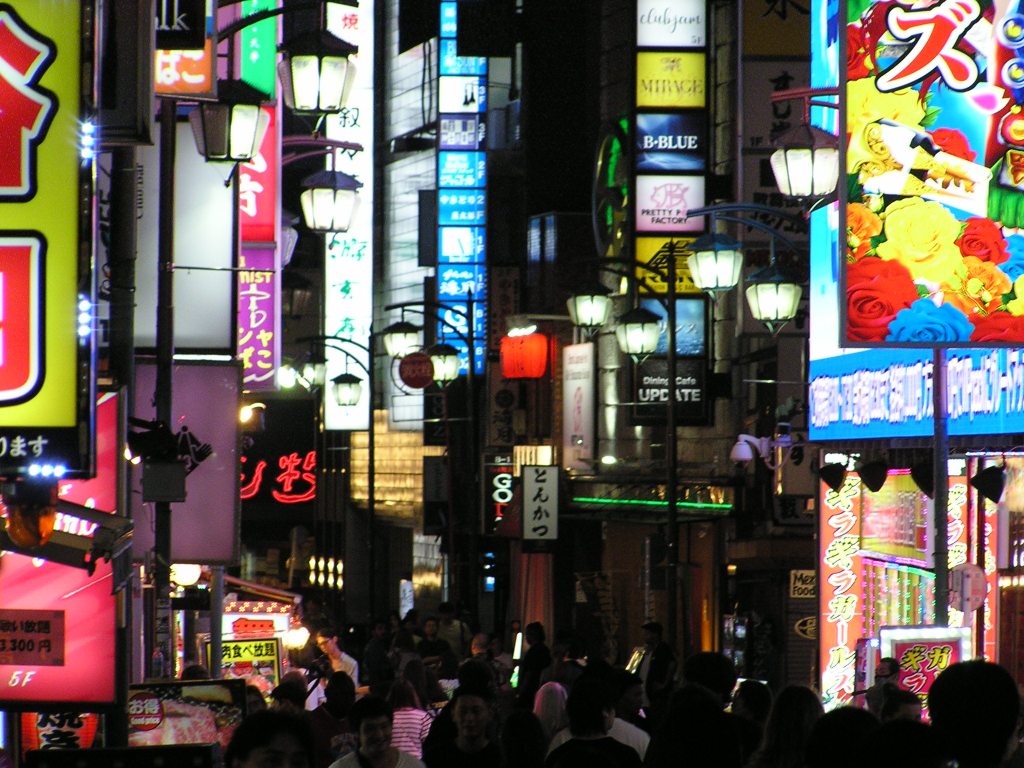
Another aspect with makes Tokyo such a marvel of a city is the convenience. Anything you could want is at your fingertips at nearly any time of the day. I think Tokyo might give NYC a run for its money in regards to the amount of 24 hour restaurants, clubs, and shops. It just never seems to stop.

There are negatives that come with this as well, one of them being the infamous work culture that consumes Japan. This all or nothing mentality can be seen on the streets, where businessmen are visibly drunk or even drunkenly sleeping on the streets after a long day of work and an even longer night out. I guess there has to be a way for them to release all of the stress that comes from working those egregious hours.

Shinjuku at night, 2023

Overall, Tokyo is a unique and interesting city which I implore you to visit given the chance. While no place is perfect, I think there is so much to learn from the Japanese. A generally very kind and respectful people who prioritize the efficiency of their society. The most modern city in the world – visiting will leave you impressed, and wondering what ways we could improve the operability of our own countries.

Day 9: Bangkok — A Curious Concoction

“The allure of Bangkok lies in its ability to surprise and inspire at every turn.” — Unknown

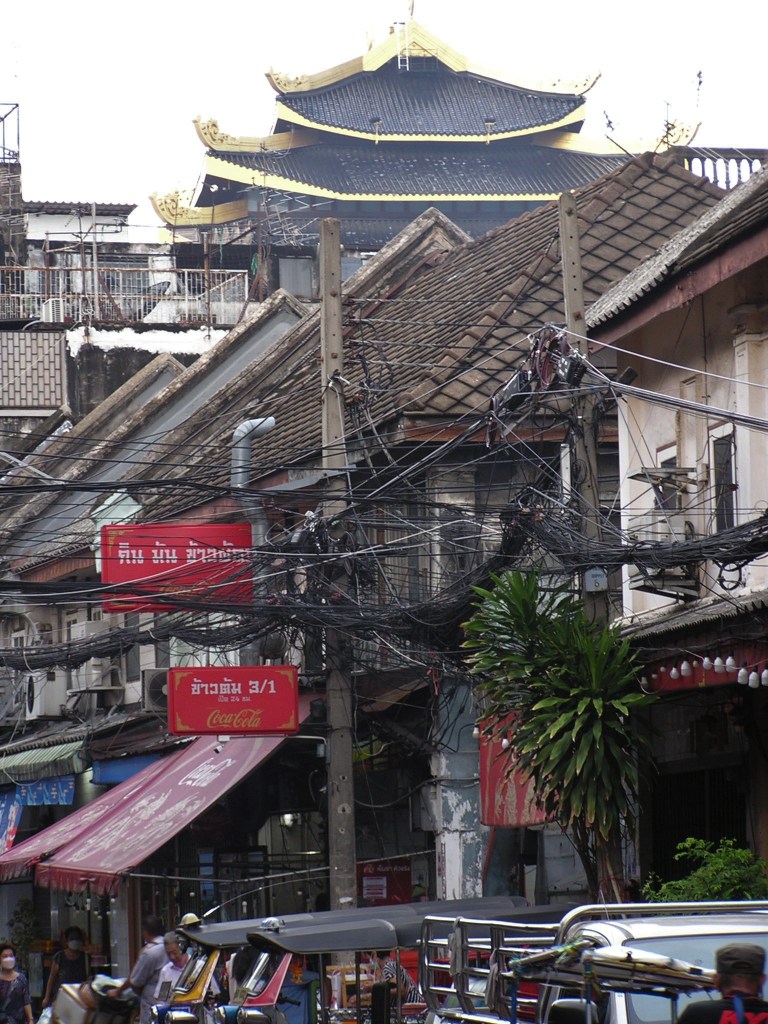
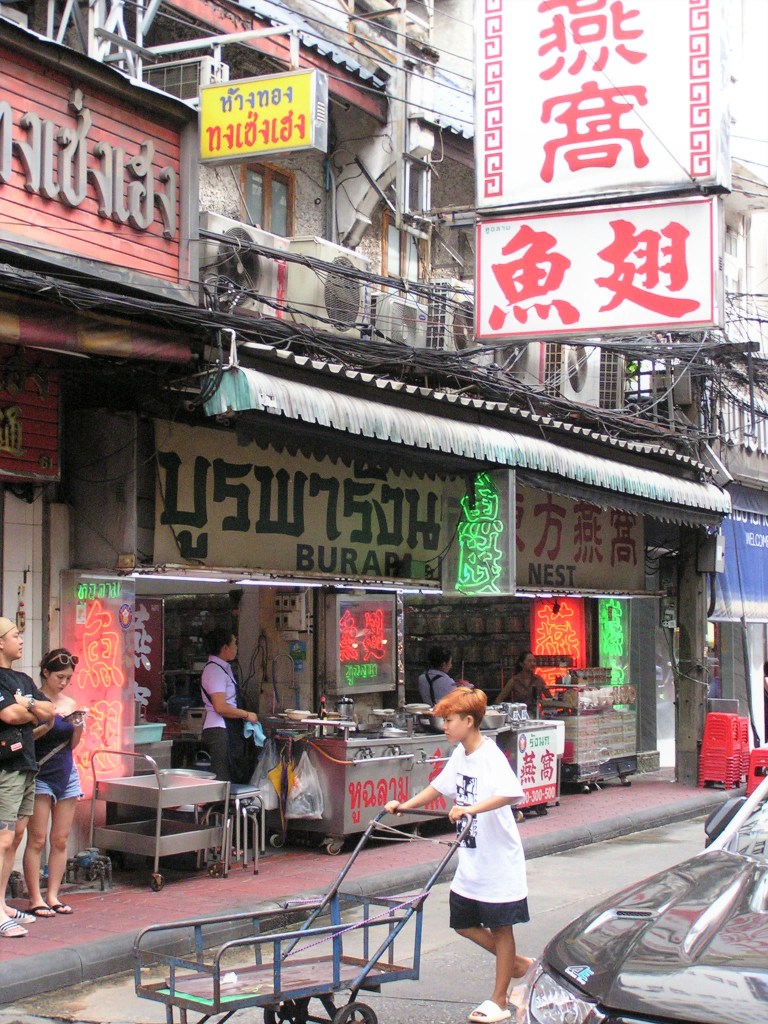
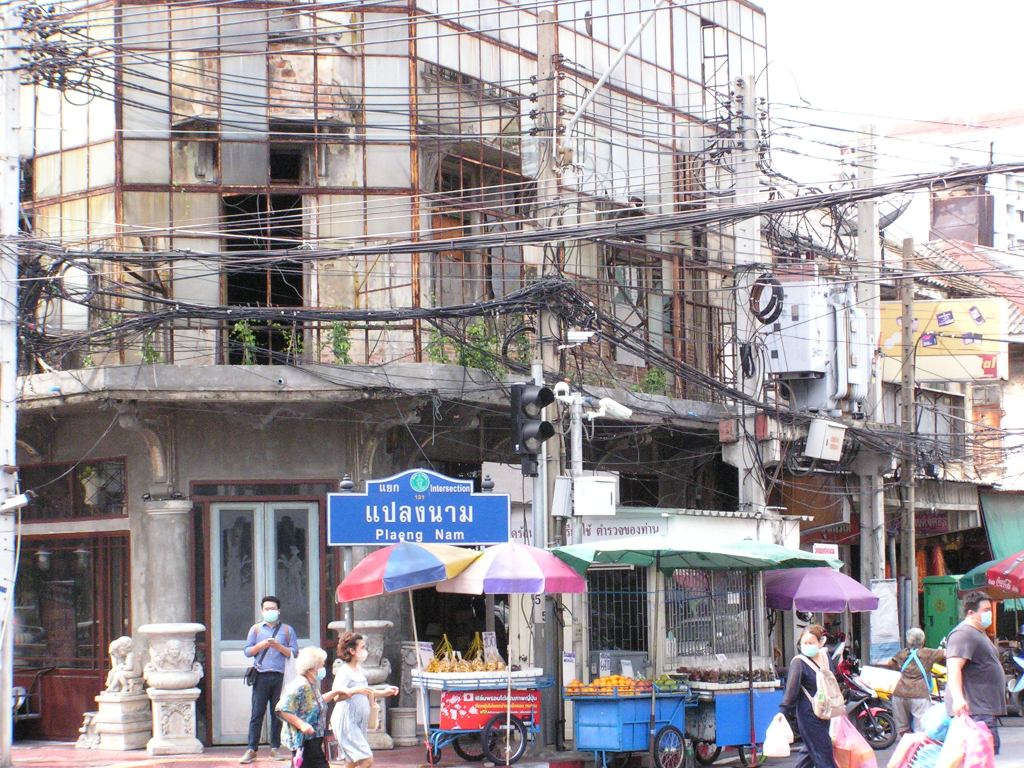
View of one of the many side streets in Bangkok’s Chinatown [8/23/2023]

I landed in Bangkok in the afternoon on August 23rd and took the bus to the public transport. An average person would have probably just called a taxi, but I like to challenge myself to see if I can navigate to my destination like the locals. Also, I just really love riding metro systems.

I’m not going to lie, I didn’t expect much of Bangkok’s metro system, but to my surprise, it seemed modern, clean, and efficient. I was able to find the station, buy a ticket, and navigate to my destination with relative ease.

Comparing it with my baseline of Vietnam, at first impression Bangkok is it’s a tad more dressed up and modernized than Saigon (in some areas). I am staying in the Chinatown neighborhood of Bangkok, which is quite exciting and bustling with life. The Chinese have a long history in Thailand and have been migrating here for hundreds of years. And of course, this reality makes for both cultural and culinary conglomerations.

A Chinese-Thai restaurant in Bangkok’s Chinatown [8/24/2023]

Like Saigon, The abundance of food in Bangkok is overwhelming. Only here, the wok is king. Many street food carts have multiple giant woks ready to go at a moment’s notice. In the blink of an eye, the vendors take orders, and all in one motion, throw the ingredients into the blisteringly hot woks. Like an angry dragon, flames shoot out from under the food while the cook shakes and stirs the contents vigorously with a metal spatula, cooking it to perfection at an astonishing speed. A mixture of steam and smoke instantaneously emits, filling the air with a distinct aroma which usually consists of meat, fresh herbs/spices, and of course, Thai chilis. A true match made in heaven.

The sound of this process is jarring as well; with an initial sizzle so piercing that it could make an unsuspecting patron leap out of their chair. In fact, one will undoubtedly see and hear many bewildering things here. But don’t be alarmed, this is Bangkok.

Bangkok’s Chinatown [8/24/2023]

The shock and awe here seem to be part of the character of this city. Perusing around the streets, something (or someone) is bound to catch your eye and make you realize that you’re not in Kansas anymore — this is about as far from American suburbia as one can get.

While intense and at times unrestrained, the people here are also kind to their core; they have deeply rooted Buddhist traditions that emphasize dignity and respect for fellow human beings. People want to ensure you are happy, fed, and cared for. When saying “thank you” it is customary to join hands and give a bow, which I find incredibly endearing. It also tears down barriers and helps you feel connected to the person on the other end. And street vendors are often happy to serve foreigners; when sharing how much you enjoyed the meal their faces often light up with excitement and joy.

As someone who loves to sit and simply observe foreign societies, Bangkok is like Disneyland for me. I could sit for hours on a busy street corner and take it all in. The sights, the sounds, the food, there is so much going on; there is a story happening everywhere. There is also an elusive aura here that I am having difficulty understanding, perhaps this is due to my biased Western lens of interpretation.

I’ve never been exposed to something quite this exotic. 

One of the many Buddhist temples in Bangkok [8/25/23]

Day 5: Saigon — Never Looking Back

“The best way out is always through.” ― Robert Frost

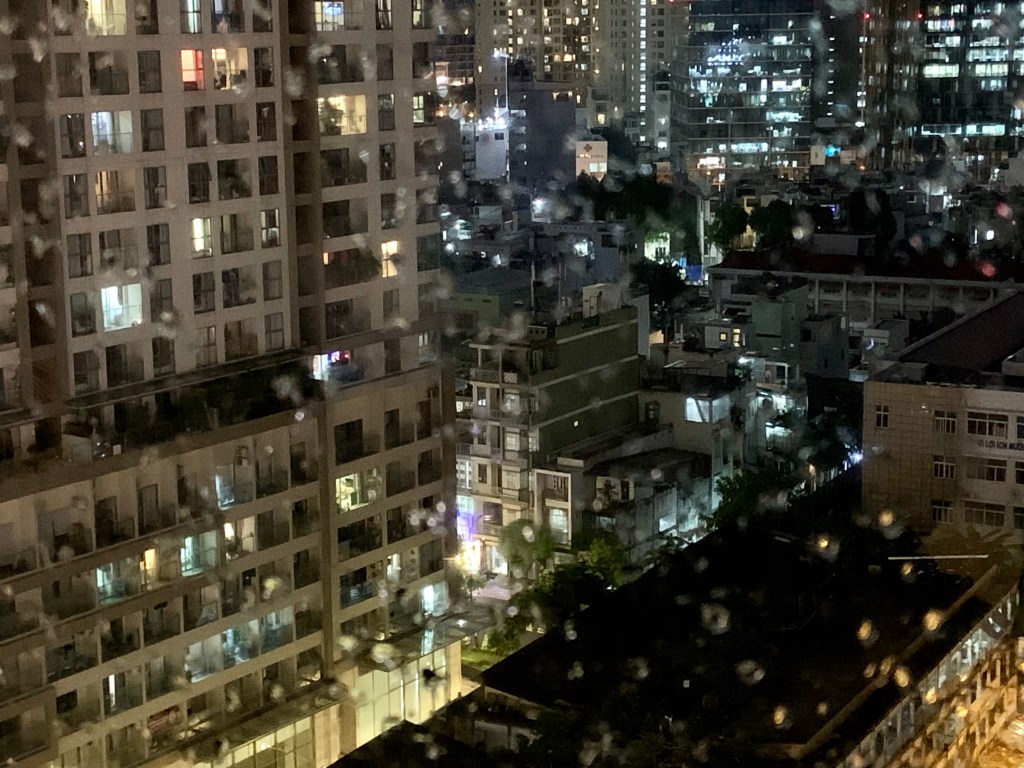
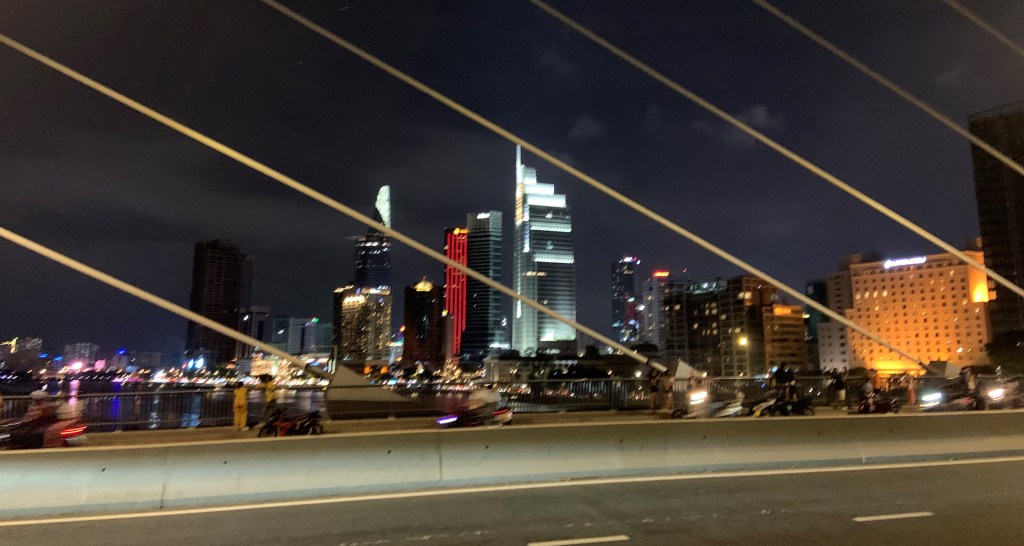
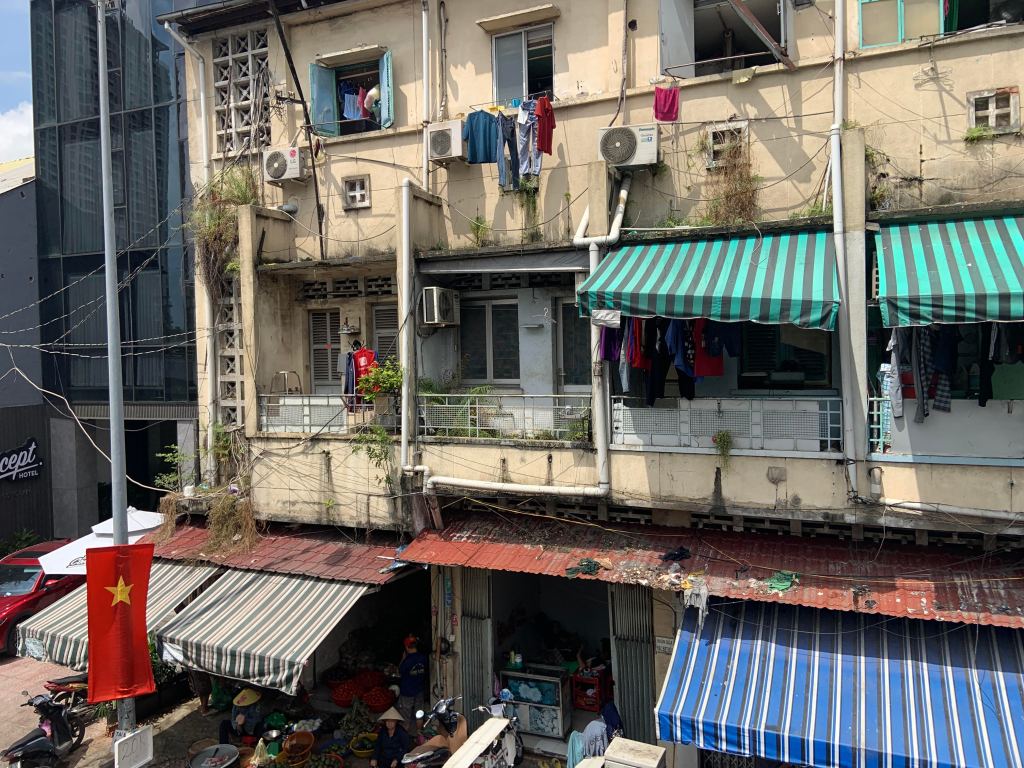
View of District 4 through a rainy window [8/23/2023]

Through only five days, I can say that Vietnam is a wonderful country that I developed a connection with. But it would be a blatant lie if I said I even came close to comprehending this complex and convoluted place. However, it takes little time for some aspects of Vietnamese society to be realized and appreciated.

First of all, the radiance of its people. They are some of the kindest and purest souls I’ve ever met. Helpful, curious, and always willing to serve you up something absurdly delicious, their warm demeanor puts you at ease and helps you feel right at home. Even with the extensive language barrier between us, these attributes naturally pour out of them.

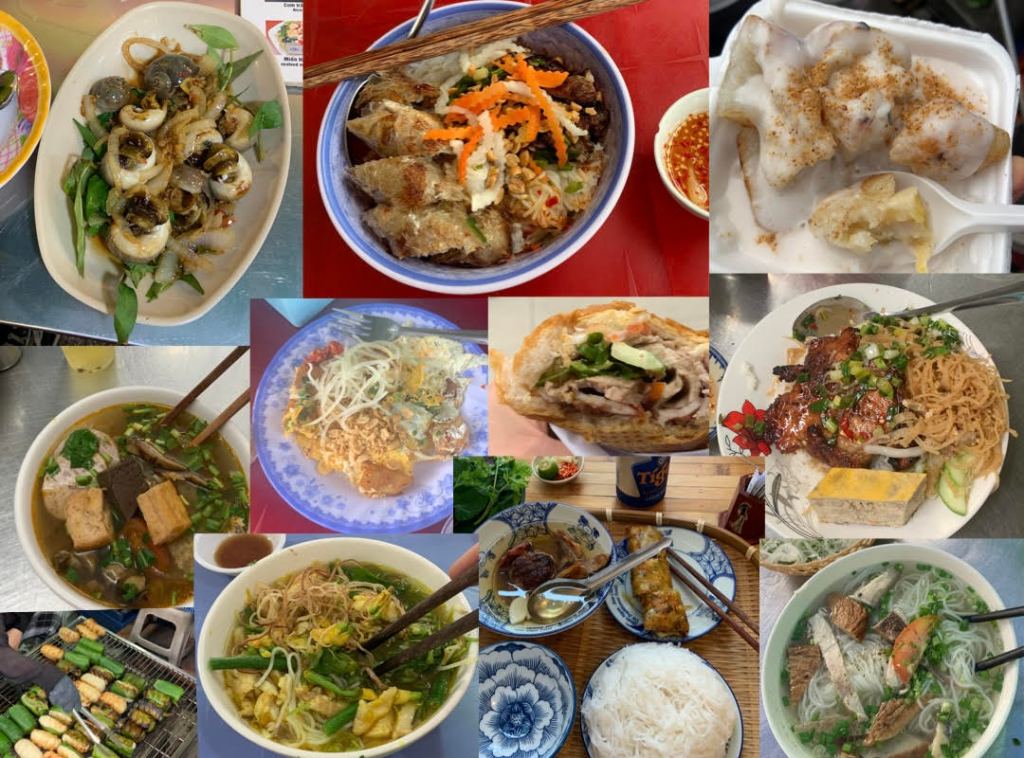
Secondly, the food. It boggles my mind how many street food stalls and restaurants one can stumble upon in Saigon. But we must keep in mind that many Saigonese eat primarily on the streets, and with over 8.9 million people, that’s a massive demand to cover. On the ground level, this makes for a truly staggering amount of street vendors and food operations. Walking hungrily down the streets is a full-body experience for us food-obsessed travelers.

While aimlessly exploring, I came across various markets of food stalls and restaurants, which often veered off into surrounding street food-infested alleyways, which in turn opened up into a new market, which also contained completely undiscovered food-lined mazes. And it seems like one could just repeat this process in an endless loop; the number of culinary options here is virtually limitless.

Some of Vietnam’s many signature dishes

Finally, the unique energy and ambiance this city possesses. When you arrive in Saigon, there is no middle ground; you are met with a multitude of extremes: The traffic has the ferocity of a starved predator; cars and motorbikes veer around pedestrians and one another with only millimeters of room to play with. Stray dogs run amiss beneath your feet. The ears fill with the yelling of merchants, attempting to sell or barter whatever it is they have. Live caged chickens await slaughter only footsteps away from luxury hotels. Street children with tattered clothes beg on the sidewalk while unfazed onlookers stuff their faces with food. Multimillion-dollar construction projects tower over dirty and decayed apartment buildings.

A true city of contrasts and intensity; it isn’t for the faint of heart.

Growing pains are inevitable for someplace developing this rapidly. Saigon is changing; this much is evident when one simply sets eyes on the city. While confronting extreme poverty here is still impossible to avoid, there is also money flowing, and opportunity. The Vietnamese have fought incredibly hard to get to this place, and they now have a chance to progress — they have hope for the future.

View of District 1 [8/20/2023]

It is uncertain what the Vietnam of tomorrow will look like. But what is certain is the character and strength of its people. They have put aside their unimaginably difficult past — through pure grit, tenacity, and forgiveness, they have resurrected their homeland into the Vietnam of today. With that, it also will be their duty to confront and overcome the new challenges they will inevitably face, shaping their country’s future. And if history tells us anything, it’s that they will prevail.

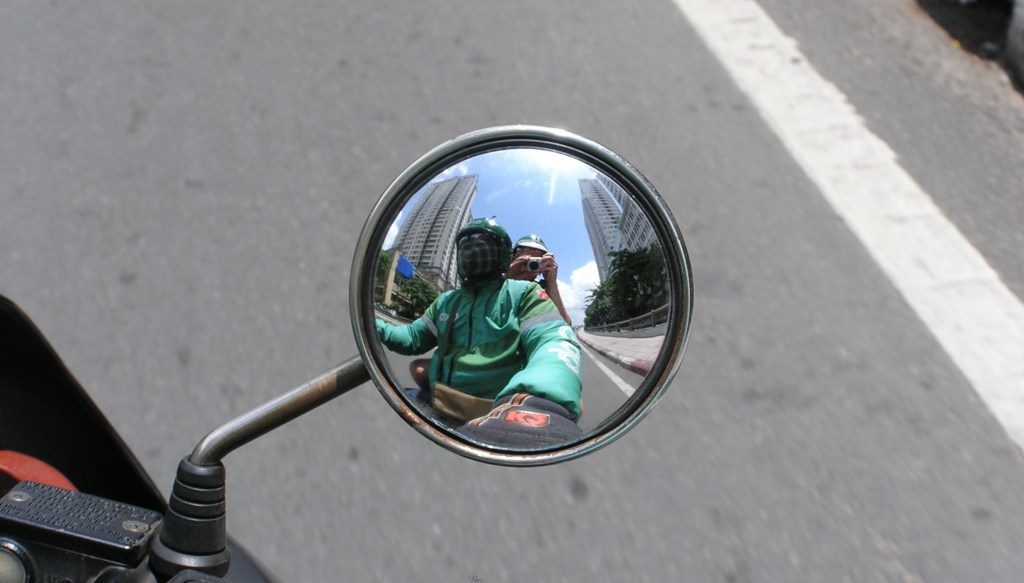
If there’s one thing we can learn from Vietnam, it’s to never look back. Leave it all in the rearview.

Motorbike cruising, leaving District 4 [8/21/23]

Saigon, until we meet again…

Prelude: Why Do We Travel?

“Travel is fatal to prejudice, bigotry, and narrow-mindedness, and many of our people need it sorely on these accounts. Broad, wholesome, charitable views of men and things cannot be acquired by vegetating in one little corner of the earth all one’s lifetime.” ― Mark Twain

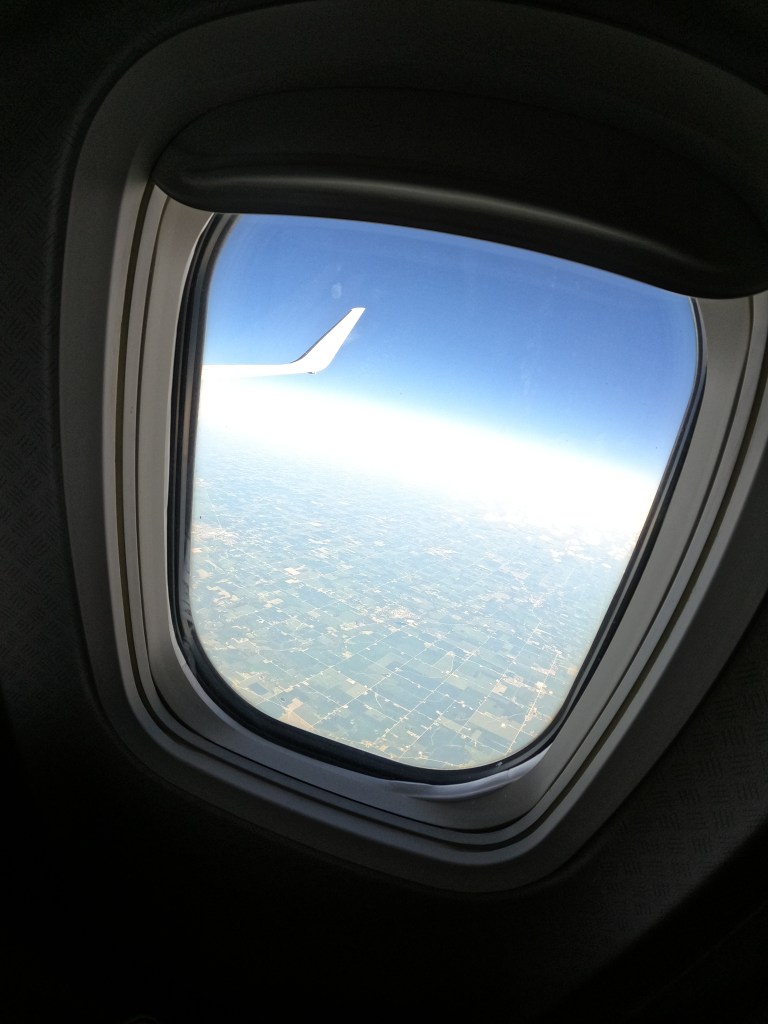
~30,000 feet over America’s Heartland 8/17/2023

When I was a young child, my parents put an enormous map of the world on my wall. They would often point to each landmass and have me recite the names of the various countries that make up our planet. Even as a child, I was overwhelmed and mystified by how vast the world was. I quickly realized that I was only existing in a small sliver of it. From early on, I found myself completely enveloped in trying to make sense of the world around me. This small exercise helped to ignite my innate curiosity and interest in traveling.

It feels nice to be comfortable. In control of your environment and those around you. Basic things like ease of communication are taken for granted at home. There is also comfort in predictability and familiarity, we often prefer to be in the driver’s seat. There is nothing inherently wrong with this; it’s part of human nature. However, I’d like to argue that there is such a thing as becoming too comfortable. And that there is enormous value in making yourself uncomfortable and exploring an entirely new environment that challenges you to your core.

Travel has an ability to make you experience this distinct uncomfortableness, especially when it’s to a place which is vastly different from what we are familiar with. A place where many contrasts can be encountered: language, food, culture, norms, customs, religion, architecture, etc. Everything must be relearned, our known rules no longer apply. You feel like a toddler again, discovering how to successfully navigate this new environment you’ve been thrust into. Caught up in our daily routines, we often forget that there is a world outside of ours; many, many, worlds. Each with entirely distinct features and attributes that make it unique and beautiful.

While this feeling of being out of place can be extremely stressful, I challenge you to change your perspective during these situations. Not being in control, and being vulnerable, can open your mind to entirely new perspectives on the world and the people that make it up. While it can certainly be frightening to not know the local language, for example, it can also be reframed into an exciting mental exercise. Making you work and learn to do things that are entirely seamless in your world.

Doha, Qatar International Airport 8/17/2023

So then, to address our question at hand: Why do we travel? Of course, this question can bring many different answers, and there are no right or wrong ones. There are many different types of situations that call for different types of travel. But most often I think we look to travel as a relaxing escape. Where we don’t have to think much or make difficult decisions. Where we may be waited on hand and foot. Visiting a fantasyland that is procured to put us at ease as we’re treated like some kind of God because we bought the deluxe premium package. 

Now, I’m not completely knocking this style, and we all do need to travel simply to relax and recharge. But I argue that we need to explore the other side of travel as well. The side that pushes you into unfamiliar territories with unfamiliar people doing unfamiliar things. You are certainly capable of having an experience like this and overcoming the various difficulties that come with it. Watch as you emerge from the other side as a more complete person, with a newfound perspective, a heightened sense of empathy, and a deeper understanding of what it means to be human.

This is a prelude to my month-long journey and may help to explain why I am embarking on it. And why I feel that everyone reading should try their hand at something similar.

Vietnam, Thailand, Taiwan, South Korea, and Japan. The Exotic East: Each Asian nation offers something entirely unique. I will be completely out of my element in each. I intend not to show you only the glitz and glam side of each country, but also the real, raw, and unfiltered version. Join me along the way as I seek to uncover and share the various intricacies and realities of each society I find myself in.

Hungary: A Country Full of Surprises

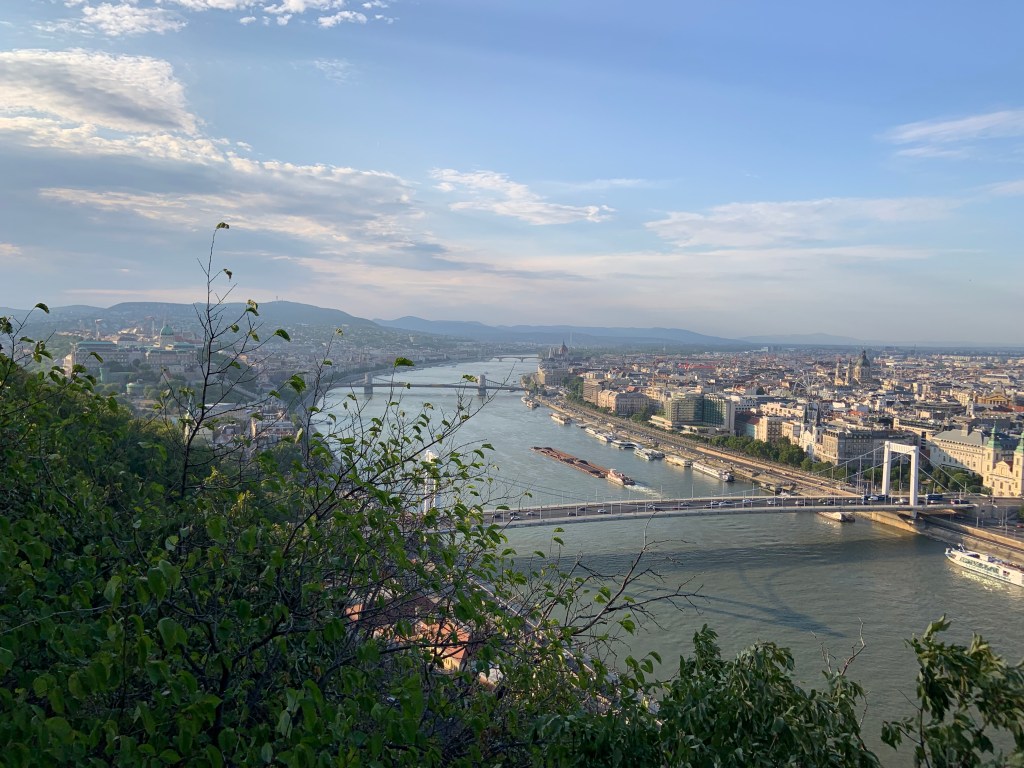
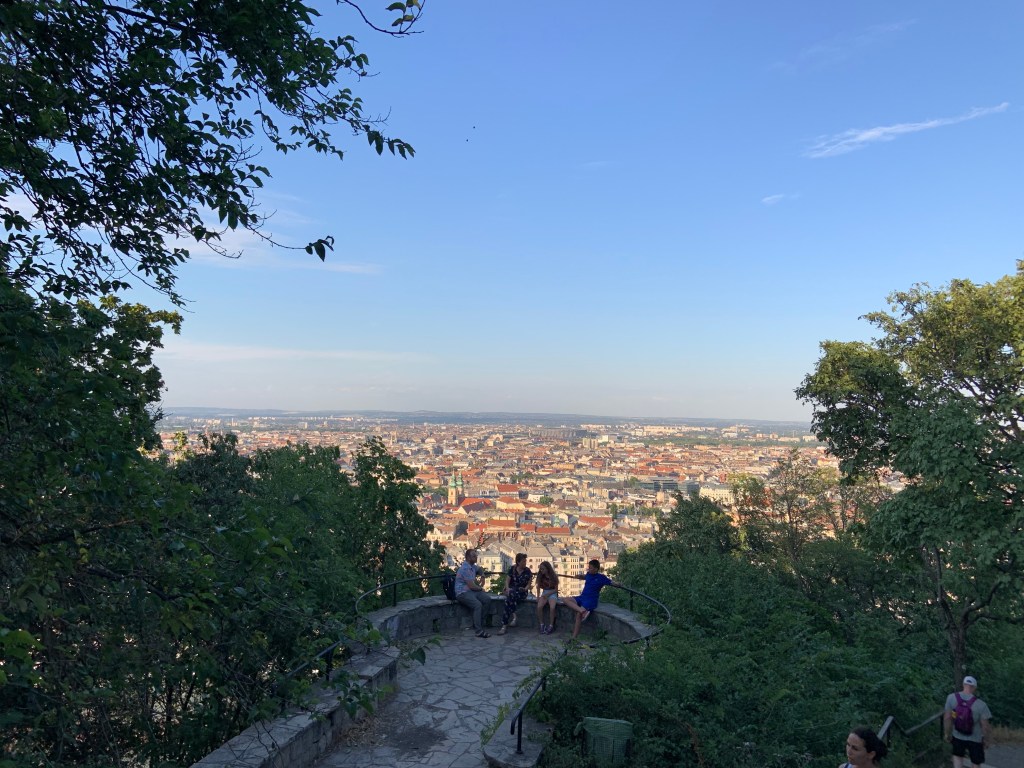
View from Gellért Hill overlooking the Danube River and both sides of Budapest

I started my trip to Hungary as I start most of my journeys: I looked on Ryanair for the cheapest flights available to anywhere in Europe. When I found a great deal to Budapest, I knew it was time to go.

Budapest, and Hungary in general, is a place that captivated and surprised me in many pleasant ways. I feel that it’s largely an unknown and misunderstood place, and I wanted to immerse myself to see what made it tick.

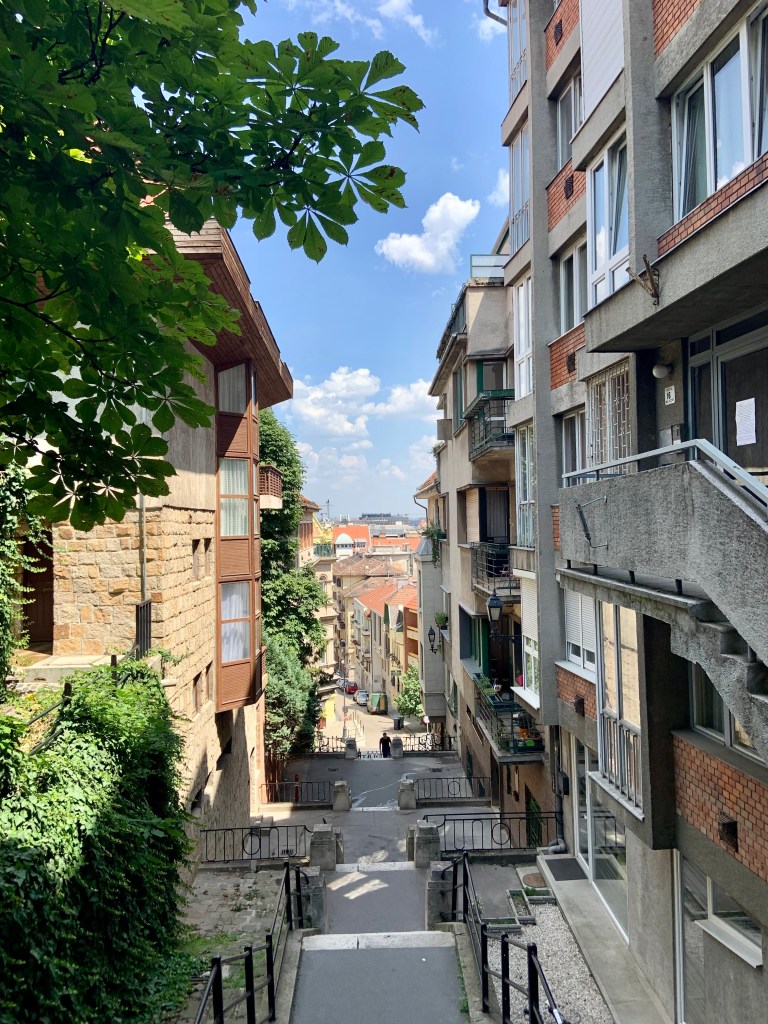
I made my way through the streets and alleys of Budapest to try and get a feel for its identity. There was a mix of architecture: relics from the soviet rule, neoclassical, romanesque, gothic, renaissance, and the list goes on. It was truly a feast for the eyes.

Budapest alley

Another thing that struck me was the food—oh how delicious it was.

Hungarian Goulash with Dumplings

Now, I must admit, a majority of Hungarian food is largely for winter, with combinations of hot and spicy stews and meat being the most typical dishes. However, even in the dead of the summer heat (pushing over 100°F, 38°C!!!), I was thoroughly enjoying these heavy meals.

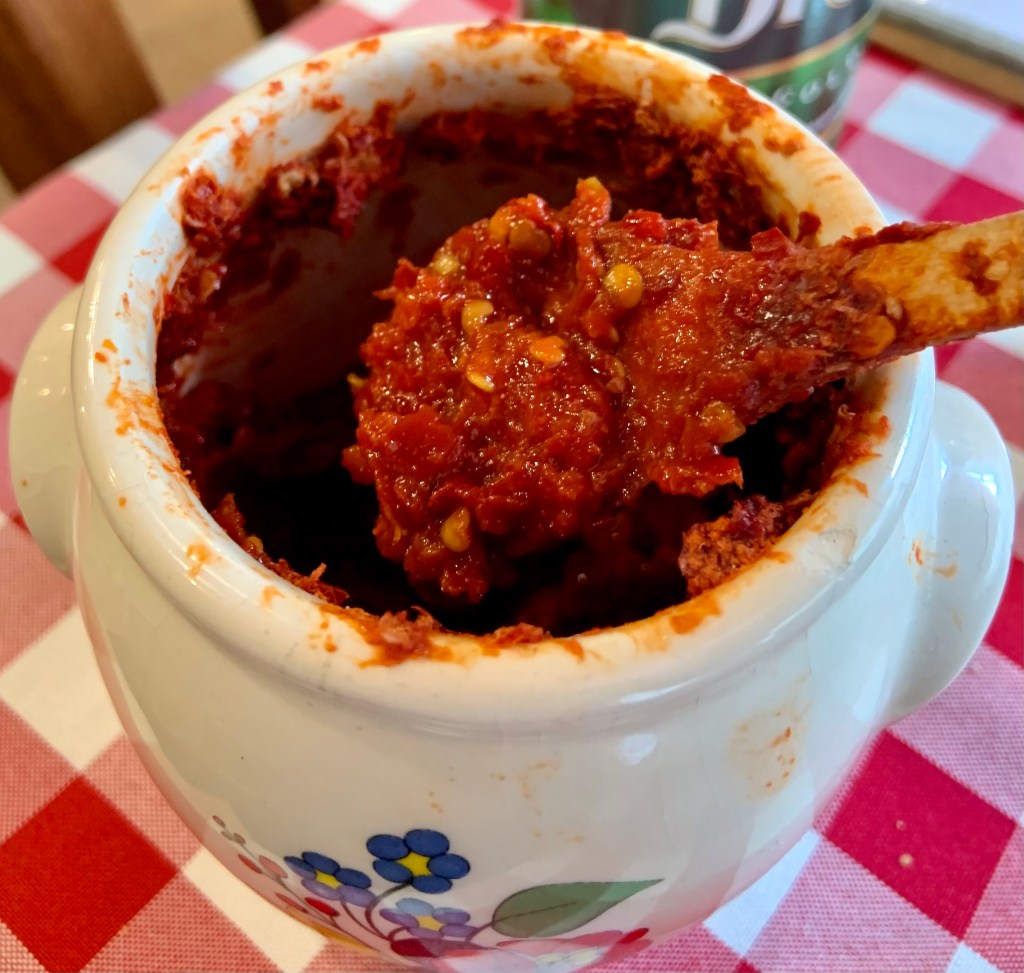
The biggest surprise for me was the use of hot chilis in their meals. Because of spending so much time in Spain (Spanish food is rarely spicy), I always crave something to make my mouth burn. When the waitress brought me out this jar of Hungarian Chili Paste, I couldn’t have been happier.

Erös Pista, a typical chili paste used in Hungarian cuisine

Aside from the food, the people are also a highlight of the country. They are friendly, talkative, and seem to be proud of being Hungarian (generally speaking). In Budapest, you can find many who speak English and will quickly offer you a chat and their recommendations for the city.

However, when you get away from Budapest, English is much less likely to be found. Hungarian is the official language of the land and is the first language of over 98% of its residents. It’s an interesting language, and not quite like any other I’ve ever heard; it actually has Ural origins, which was another surprise. It’s definitely not a language you can just pick up.

Aside from exploring the city, with my Hungarian friend I had the opportunity to visit a small town three hours train ride from Budapest: Békéscsaba. Life was much different there and no tourists were in sight. There was a much slower pace where time seemed to stand still. Most of the area was flat farmland and green trees with a small but charming city center.

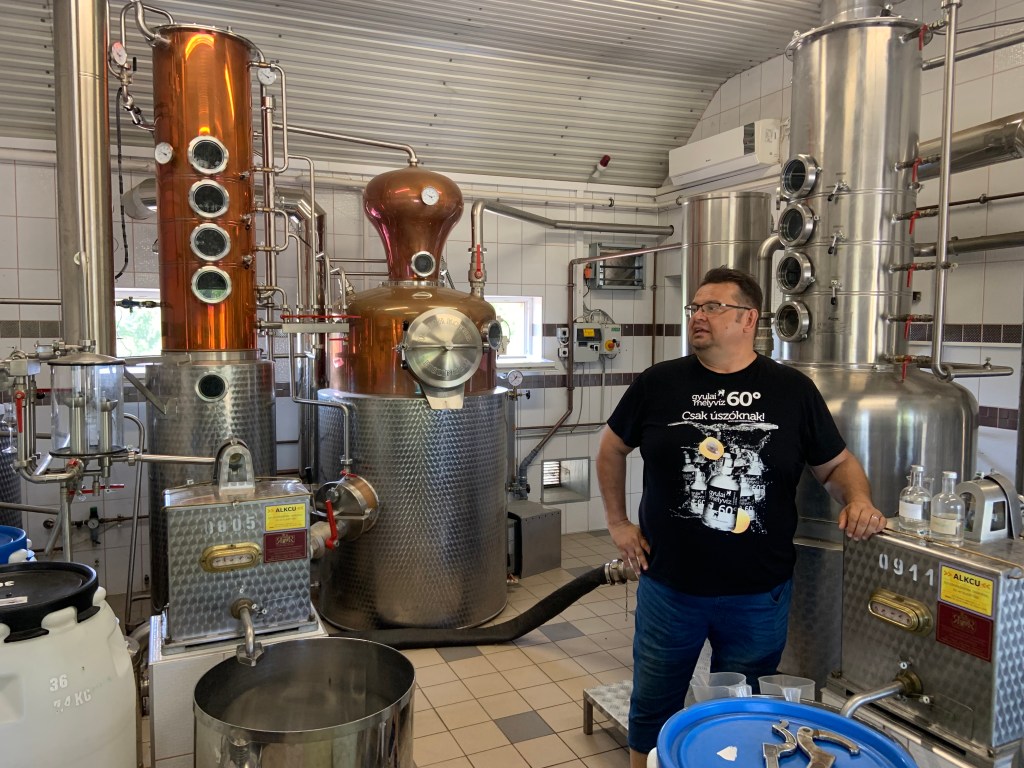
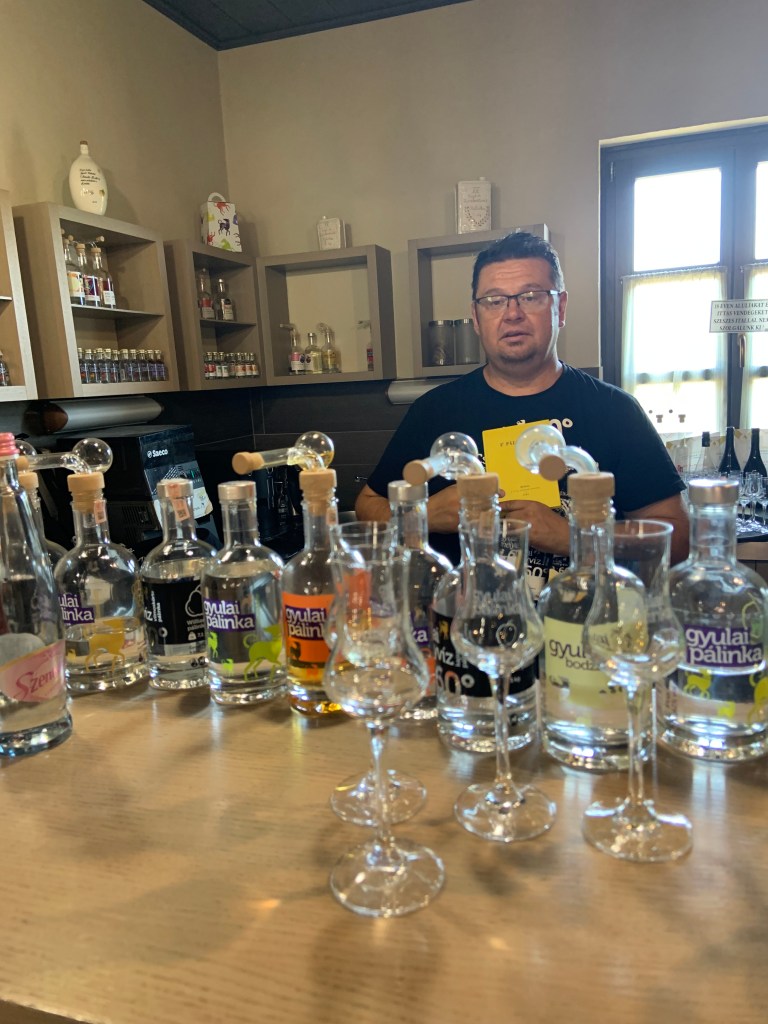
In rural Hungary, I also had the experience of touring a pálinka distillery. Pálinka, a strong (ranges between 35-70% ABV) but flavorful fruity spirit, can be wildly found in Hungary and is treated with a great sense of pride. Our tour guide at the distillery was happy to answer our questions and tell us the many legendary stories that involve the potent liquor.

The liquor’s flavor comes in a wide variety, with the most common being pear, apricot, and plum. However, there are also many unconventional types such as elderflower and quince.

A pálinka distillery in rural Hungary

The distillery treated its product with exceptional pride and care. This could be tasted in the pálinka itself, which was extraordinary. Our sampling seemed to never end, and by its conclusion, I think I had about eight or nine glasses of this stuff.

Our tour guide insisting that we drink more pálinka

By the end of this tour, it was safe to say I was feeling it; I think I could almost understand Hungarian.

Hungary: A country full of surprises around every corner; a place that has many identities. It’s a place that I urge you to get lost in. From the people to the food, it will leave you wanting more. Whether it’s admiring the architecture, enjoying its many spas, or sipping a bit too much pálinka, you’re sure to find whatever it is you’re looking for.

Another viewpoint from the path of Gellért Hill, near the Chitadella (citadel)