
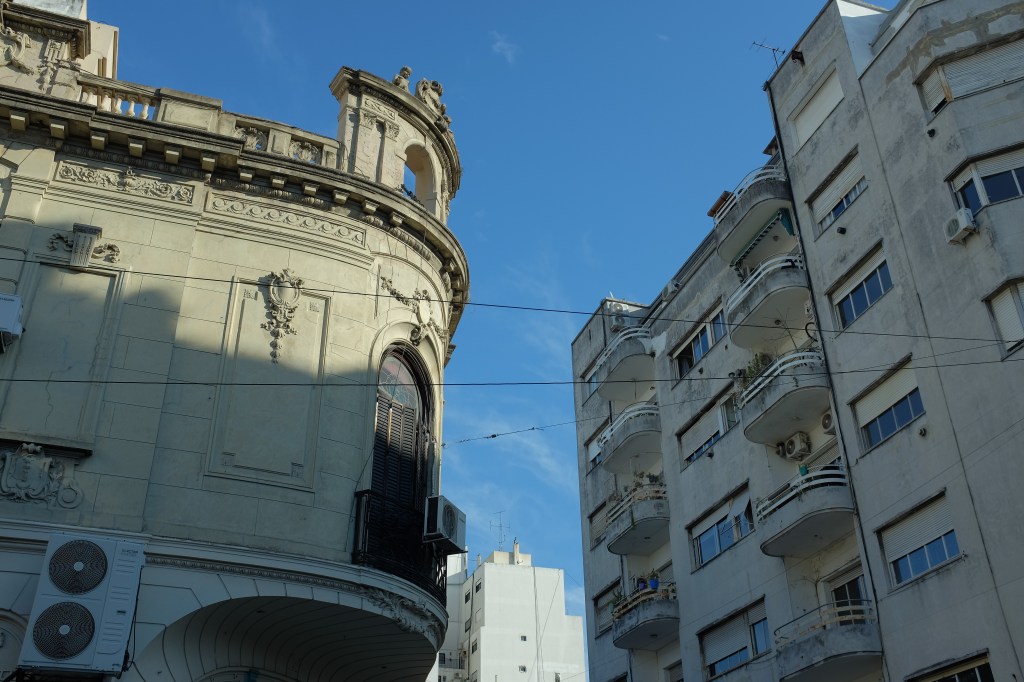
Buenos Aires is a city that has recently captivated my attention. A city with deep European roots, but located far down in the belly of South America in the Southern Hemisphere. A juxtaposition of sorts that is worthy of exploring.
The city is known as the “Paris of the South,” but having been to Paris, I would argue (at least with my first impressions) that a more accurate comparison could be made. As Western European-y as Paris? Yes. But I feel that a comparison to a major Spanish city would be much more suitable.
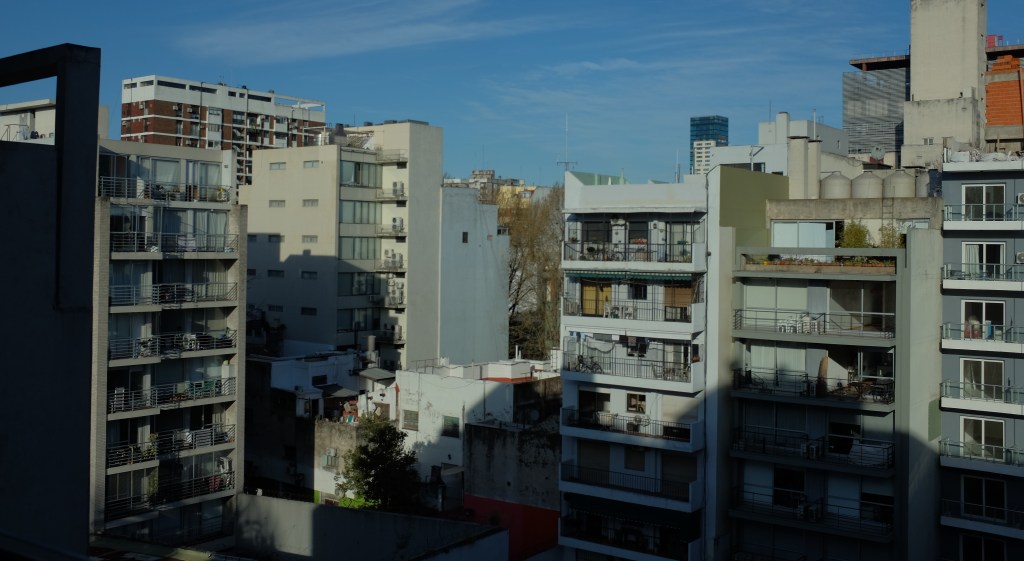
Preemptively consuming many photos and videos of its streets, I found myself dazzled by the uncanny similarities that exist between Buenos Aires and Spain, particularly Valencia, where I had the pleasure of spending a good deal of time.
Of course, the similarities to France and Italy cannot be discounted either, with the adoration of pizza, cheese, and wine being some of the obvious indicators.
And when I arrived in Buenos Aires, it took a short time to realize that these outward similarities were far more numerous than I had anticipated.
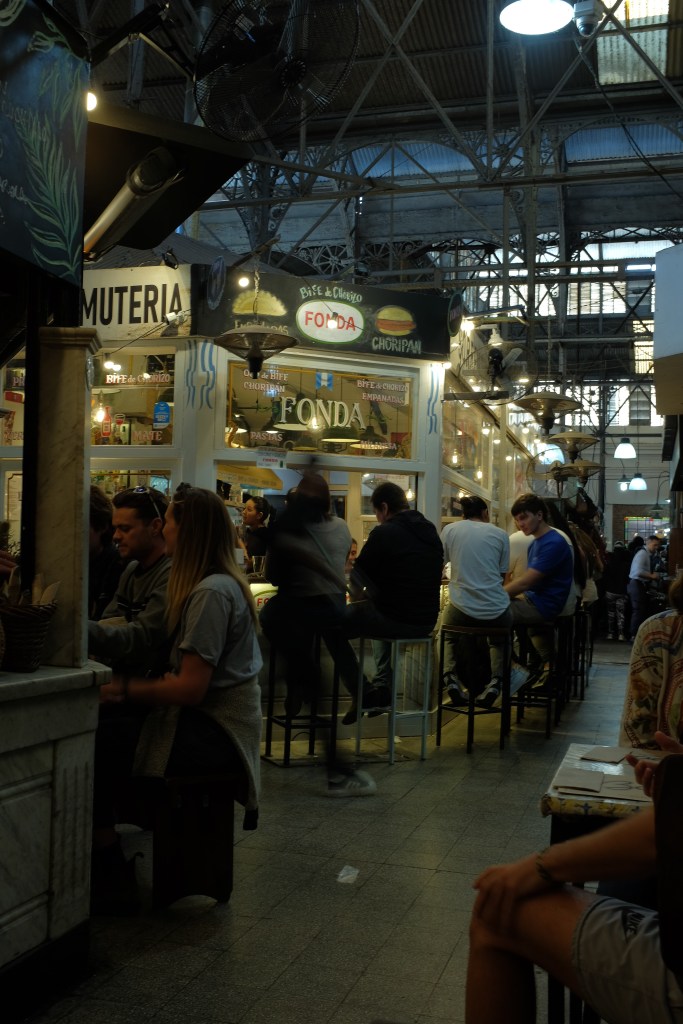
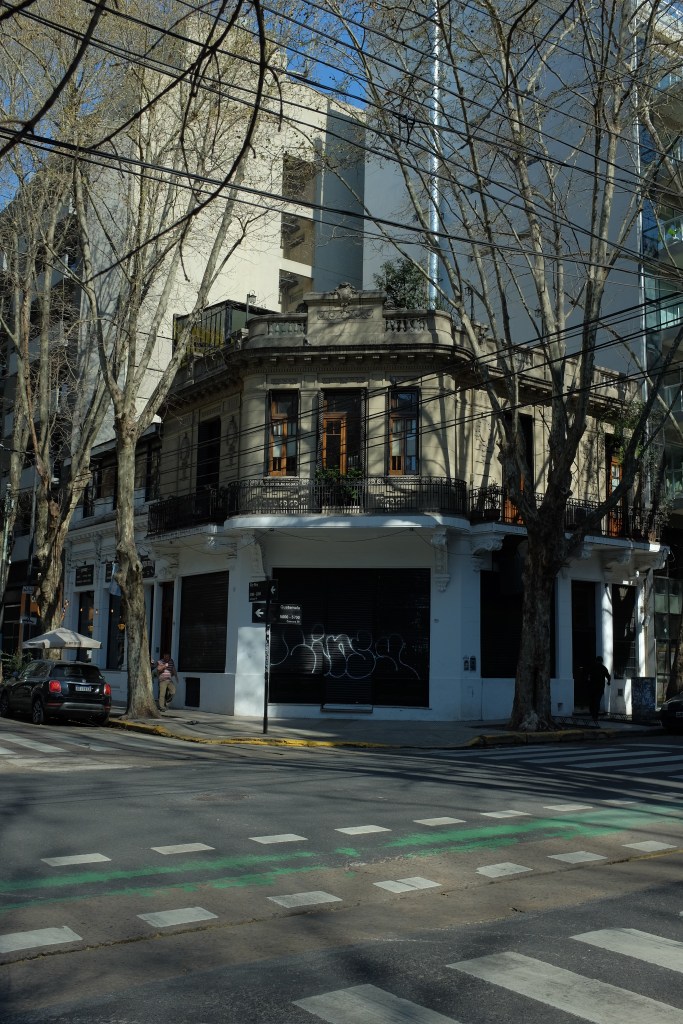
To the enchanting tree-lined streets, the old apartment flats with their chipped and textured stucco walls, the small cubed designs of the sidewalk tiles, the smoke-filled bar terraces, the elegant fashion style of its residents, the disproportionate level of small-dog ownership, the espresso machine at every restaurant and bar, the grocery store chains, the fanatical obsession with soccer (fútbol), the cadence and rhythm in which its generally relaxed society operates, and of course the language – it feels like I am back in Spain, it’s only the distinctness of the Argentine accent that is throwing me off.
So, what questions does this lead to? On the surface level, it is blatant that these cultures are vastly intertwined and molded into a Western European hodgepodge. And while that in itself is interesting, you only need to take a quick dive into a history book (which would explain things much more eloquently and efficiently than I could) to understand why.
With this in mind, I find my curiosity commanding us to take on a different task – to venture deeper and discover where the limitations of this relationship lie.
In what distinct ways is Buenos Aires, and Argentina as a whole, different from its Western European cousins? What features separate it and work to give it its own identity, and what can those factors be attributed to? How is the country changing and where do the Porteños (nickname for someone from Buenos Aires) feel the future is headed?
With questions like these and general themes in mind to frame the mission, we will spend the next few days attempting to uncover and gain insight into the uniqueness of this perplexing but charming South American metropolis.
 Hello there!
We’re excited to explore this beautiful city through your writing!!
LikeLiked by 1 person
Thank you! I am looking forward to sharing.
LikeLike